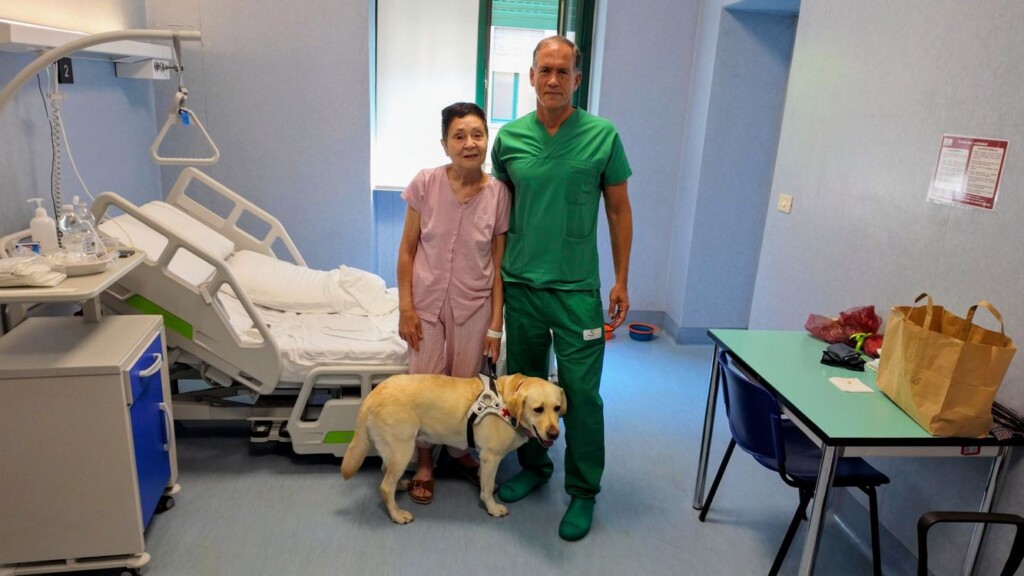
Elena with her dog Joe, and Professor Michele Reibaldi – credit, Ospedale Molinette, supplied
From Turin comes a surgical world-first: the simultaneous transplant of a complete human macula, along with the cornea, sclera, and connective tissue, from one of the patient’s eyes to the other.
It allowed a woman blind for several years to immediately gain enough vision to recognize both her son and her faithful canine companion, Joe.
La Stampa, a Turn-based national newspaper, reported that the intervention was lead by the “intuition” of ocular surgeon Professor Michele Reibaldi, who himself described the process as a “complicated marathon,” lasting 6 hours and requiring careful coordination by surgeons, anesthetists, and orderlies.
The patient was 67-year-old Elena, who lost her eyesight in a road incident which completely severed the optic nerve in her left eye. Responsible for transmitting light absorbed and delineated through the eye to the brain, the irreversible damage was not shared by the rest of eye tissues, which remained largely intact.
In an interesting coincidence, the reverse was true for her right eye. While the optic nerve was undamaged, the trauma of the crash destroyed other parts of her eye including the retina, the cornea, and the portion of the eye containing ocular stem cells, rendering any hope of a normal corneal transplant impossible.
In short, there was enough undamaged components between her two eyes to create one that could function. The only problem was that it would require a surgery never done in the history of medicine, a macular transplant. The macula is a small, light-sensitive region at the back of the retina, itself located in the middle of the eyeball, responsible for high-definition sight. The common cause of blindness, macular degeneration, refers to this small tissue.
Elena also needed a new cornea, and the sclera—the white of the eyeball. Professor Reibaldi resolved to salvage those from the left eye and transplant them all to the right eye, in which the ocular nerve was preserved through the crash.
“This procedure represents a new frontier in ocular surgery,” Reibaldi, who practices at the Molinette Hospital in Turn’s City of Health and Science, said according to a translation. “Before today, such a contemporaneous transplant of the anterior eye tissue had occurred just once before, while the central retina has never been possible.”
“Now we will wait and see how well the transplanted retina functions, though early signs are encouraging.”
Follow-ups have confirmed that the tissues have reattached correctly, and that Elena is regaining sight in her right eye.Reibaldi praised the extraordinary collaboration within the team which carried out the procedure, before adding that the biggest prize for them was “the incredible moment in which Elena, opening her eyes, could finally recognize her son and faithful companion in life, Joe the dog.” Woman Can See Again After World’s First Transplant of a Central Retina
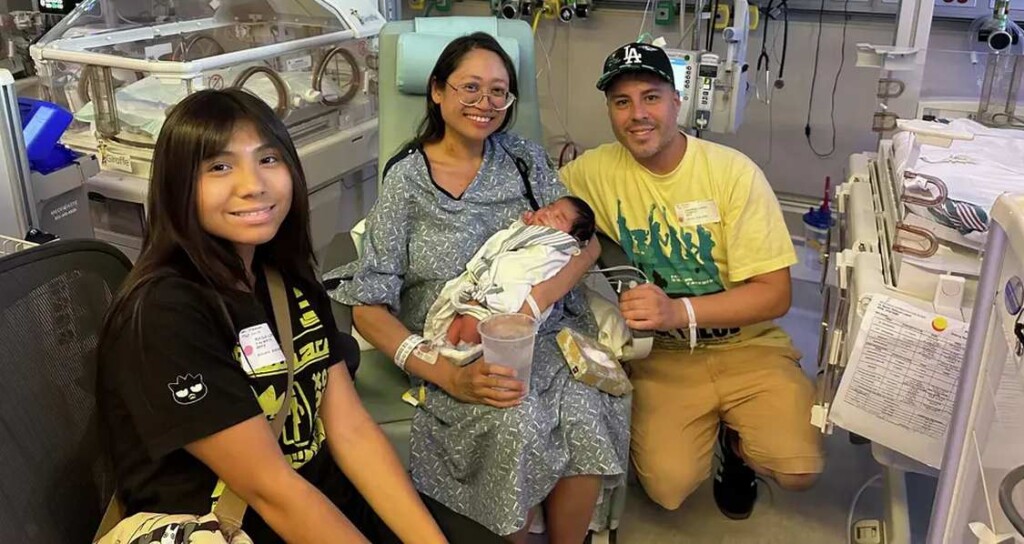
This photo provided by the family shows, from left, Kaila, Suze, Ryu and Andrew Lopez at Cedars-Sinai hospital in Los Angeles in August 2025 – family photo
A Los Angeles woman recently celebrated the first Christmas with her baby boy, Ryu, born to truly remarkable circumstances.
Ryu developed outside his mother’s womb, and remained hidden for months behind an ovarian cyst that grew to be the size of a basketball. It was so unbelievable, the surgical/OBGYN team that delivered Ryu documented it for a case study in a medical journal.
The manner in which Ryu came into being represents a circumstance that’s “far, far less than 1 in a million,” said Dr. John Ozimek, medical director of labor and delivery at Cedars-Sinai in Los Angeles, where Ryu was born. “I mean, this is really insane.”
Now 41, Suze Lopez has always had an irregular cycle, so missed periods—even consecutive ones—are a normal occurrence. It was almost 20 years ago that she was diagnoses with a pair of ovarian cysts, one of which was removed immediately, and one of which was not.
So in early 2025 when Lopez noted her abdomen swelling, her first thought was the cyst. She never felt kicking, and never had morning sickness—and indeed her instinct was at least partly correct.
The pressure and pain in her abdomen grew as days passed, and she was certain that, even if it risked her ability to conceive again, it was time to remove the other cyst which unbeknownst to her had grown to weigh a mind-boggling 22 pounds.
She needed a CT scan to prepare for surgery, which required a pregnancy test for the radiation, and to her utter surprise the test came back positive. Lopez was delighted, but the pain and discomfort grew and soon she had to be hospitalized at Cedars-Sinai where her medical team found a near fully-developed fetus in an amniotic sack lodged against her pelvis.
The term for where the fetus develops is “implants” and the term for a fetus that implants outside of the womb is an “ectopic pregnancy.” Almost all of these go on to rupture and hemorrhage. As such, fetal mortality can be as high as 90% in such cases and birth defects are seen in about 1 in 5 surviving babies, SF Gate reports.
However, because fetal Ryu implanted against the pelvic wall and not against the liver, it was far more manageable, and the reason why Lopez didn’t have more pain earlier.
Lopez and her boy beat the odds, despite a mammoth surgical procedure that both delivered Ryu at 8 pounds and removed the ovarian cyst—together weighing as much as an adult bobcat. During the procedure, Lopez lost half her blood, and had to be continually given transfusions.
“The whole time, I might have seemed calm on the outside, but I was doing nothing but praying on the inside,” Andrew Lopez, Suze’s husband, told SF Gate. “It was just something that scared me half to death, knowing that at any point I could lose my wife or my child.”Instead, they both survived without any maleffects. Ryu “completes” their family, said his mother, and recently celebrated his first Christmas alongside his older sister Kaila. Mom and Baby Beat 1-in-a-Million Odds to Survive the ‘Rarest of Pregnancies
Some of the strongest parental instincts happen without conscious thought. The urge to check on a sleeping baby. To stay close. To pick them up when they cry.
Becoming a mother also brings about an extraordinary shift in priorities. As the late British psychotherapist and author Naomi Stadlen wrote, “motherhood can be relentless. The dependency, the need, the constant pull of being someone’s entire world…”
For all mammals, raising young demands enormous time, energy and resources, requiring mothers to place their offspring’s needs ahead of almost everything else.
So just how precisely does the brain make that shift? Our newly published research sought to answer that question.
Using studies in mice, we identified part of the brain circuitry that drives a mother’s urge to interact with her newborn. We found an essential pathway linking a hormone-sensing region of the brain to its reward network.
Activated by the pregnancy hormone placental lactogen and the milk-production hormone prolactin, this pathway helps make caring for a newborn rewarding rather than simply necessary. Remarkably, we were even able to switch that drive on and off experimentally.
Observing a mother’s brain
We focused on a brain region called the medial preoptic area, known for decades to be a key controller of parenting behaviours. Many of its neurons carry receptors for placental lactogen and prolactin.
In earlier studies, we showed that mice without these receptors in this region were unable to care for their offspring after birth. What remained unclear was exactly how these neurons helped drive parenting behaviour.
Using specialised neuroscience techniques to observe these neurons in living mice, we found they became highly active when females came into close contact with pups. The response was much stronger in mothers than in females that had never given birth, with the biggest surge occurring at the very first meeting.
We then traced where these neurons send their signals. A subset of these neurons connect directly to the brain’s reward system, triggering the release of dopamine – the neurochemical that helps make experiences feel rewarding. Recent advances in neuroscience allowed us to watch dopamine being released in real time as mice interacted with their pups.
When we artificially activated this pathway, female mice that had never given birth behaved much more like new mothers. Faced with a barrier separating them from newborn pups, they climbed over it more quickly and repeatedly returned to the pups.
Interestingly, when we blocked the pathway, the opposite happened. Mice no longer showed the normal dopamine surge when meeting the pups and were slower to engage with them. Removing prolactin receptors from the pathway also reduced mother–pup interactions, while leaving other aspects of maternal care largely unchanged.
These new insights help explain why caring for a newborn becomes such a powerful priority after birth. Prolactin acts through this pathway to tune the brain’s reward system, making time with offspring rewarding rather than simply another task.
A peripartum puzzle
Although our work was conducted in mice, the same reward pathways are found in human mothers, with prolactin serving as the key milk-production hormone in all mammals.
The human brain undergoes huge and long-lasting changes during pregnancy, yet very little neuroscience research has focused on females – and even less has looked at how pregnancy causes changes in the brain.
The Ministry of Health estimates that 12–18% of New Zealand women experience depression, anxiety or other mental health conditions during pregnancy or after birth.
The World Health Organisation reports that globally, about 10% of pregnant women and 13% of women who have just given birth experience a mental disorder, primarily depression. In developing countries, this rate is even higher.
Yet there are few treatments that target the biological changes driving these disorders.
Our research aims to understand how the brain adapts during pregnancy and early motherhood to support healthy mood, with the goal of developing better ways to prevent and treat poor peripartum mental health.
We also hope this work will help reduce the stigma faced by parents who struggle to bond with their baby. Rather than personal failing, difficulties with bonding may reflect brain pathways that have not adapted as expected.
Given the profound changes the brain undergoes during pregnancy, it is perhaps unsurprising that this process does not always unfold smoothly. Parents and families deserve better understanding, support and treatment during this critical period.
When living with a partner, you might be sharing more than just the same home, lifestyle and interests. You might also share various microscopic organisms residing on and in you.
This community of microorganisms, which consists of mainly bacteria, viruses and fungi, is known collectively as the human microbiome. The various microbiomes found throughout the body all play an important role in health.
But it isn’t just the microbes in your gut that may be similar to your partner. The microbes in many other parts of the body may also be shared with your loved one – and this could potentially affect your health.
Gut microbiome
Diet and lifestyle are thought to have the greatest influence on the gut microbiome’s make-up. But studies on couples have found that living with your partner can also influence the microbiome.
Couples living together may share 13% to 30% of their gut bacteria. This was true even when diet (which many couples share) was factored out.
Research also shows that couples who live together have greater microbial diversity compared to people who live alone.
But it might not all be good news. Research shows that some of the bacterial species couples share can have varying effects on health.
Take the bacteria from the Ruminococcus family. While some species of Ruminoccocus benefit health, others have been linked to negative health outcomes, including diabetes and irritable bowel syndrome.
So these bacteria may not always offer the same benefits in different demographics. This highlights the complexity of resident gut bacteria and their health impacts.
Oral microbiome
Sharing an oral microbiome with our partners might seem obvious considering we regularly exchange saliva when we kiss. A ten-second kiss alone can exchange up to 80 million bacteria. The more kisses a couple shares, the more shared salivary bacteria they will have.
Although most of these bacteria will quickly pass through our mouth and into our gut when we swallow saliva, research show that couples actually share many of the same longer-term tongue microbes that form the foundation of the oral microbiome. Research even suggests that 38% of the oral microbiome is shared in couples living together – compared to only 3% in couples who don’t live together.
Sharing this proportion of your oral microbiome could have many potential health effects.
A healthy oral microbiome is important for protecting against tooth decay and it has anti-inflammatory properties. Some researchers also suggest the oral microbiome’s health effects may extend as far as the gut and nervous system.
But some of the bacteria that couples tend to share may also have potentially harmful health effects.
Couples are more likely to have similar numbers of the bacteria Neisseria in their gut compared to single people. Neisseria can reside in the mouth for long periods of without causing disease.
Some Neisseria bacteria can be harmful and may cause meningitis. Yet some Neisseria bacteria actually fight against these meningitis-causing species, stopping them from overgrowing and causing harm.
So while you may want to avoid kissing someone when they’re poorly for obvious reasons, it turns out that a kiss even when you’re healthy can transfer all sorts of bacteria between the two of you.
More research is needed to really understand what overall effect sharing these bacteria with your partner has on health.
Skin microbiome
The skin microbiome is the most unique and personalised microbiome, tailored to each person. It’s even sometimes referred to as our microbial fingerprint.
Being the most exposed microbiome, the skin microbiome has evolved to be adaptable to external factors such as the climate and cosmetic products. No matter what, these bacteria work hard to remain at an equilibrium.
Close contact with our partners – and even pets – has a huge influence on what bacteria live on our skin. After comparing the gut and oral microbiome, researchers found the skin microbiome to be the most similar among couples.
It isn’t just the bacteria on your arms or hands that are shared, either. Research shows that couples shared 35% of the bacteria living on their feet, and around 17.5% of the bacteria on their eyelids.
You may not even need to touch your partner to have the same skin bacteria as them. Factors such as sleeping in the same bed and walking on similar surfaces are thought to explain why such a large proportion of our skin microbiome is similar.
This is because humans naturally shed bacteria in a similar way as dogs shed fur. We leave traces of our bacteria on everything we touch – and we also easily pick up bacteria from our environments.
The shared effect of living together on the skin microbiome is so great that researchers were able to use computer models to accurately predict 86% of cohabiting couples based off of their individual bacterial samples alone.
But while it’s clear that couples share much of the same skin microbiome, the health effect that this has is not currently known.
While sharing bacteria with your partner may sound alarming, there’s often no cause for concern. Bacteria teach our bodies how to fight infections, they help us digest foods and even produce key nutrients. The bacteria we share with our partners are often harmless and sometimes benefit our health rather than hindering it.
New Delhi, (IANS) A team of Indian scientists has discovered oral cancer-causing driver gene mutations in women patients in southern parts of the country.
The team from the Jawaharlal Nehru Centre for Advanced Scientific Research (JNCASR), Bengaluru and the BRIC-National Institute of Biomedical Genomics (NIBMG), Kalyani, in collaboration with clinicians from Sri Devraj Urs Academy of Higher Education and Research (SDUAHER), Kolar, conducted a female-centric study on oral cancer in India with a unique tobacco chewing habit.
This study led by Professor Tapas K Kundu, JNCASR, Bengaluru aimed to understand what makes cancers in women unique, how the disease manifests and progresses in female patients and how we can treat them better.
The team also used artificial intelligence (deep learning) to digitally analyse tumour tissues. This revealed two distinct groups of female patients, each with a different immune response in their tumours.
India carries one of the world’s heaviest burdens of oral cancer with alarmingly high rates witnessed among women in certain regions, especially in southern and northeast India, due to the widespread habit of chewing tobacco-infused betel quid, gutka, and related products.
While the disease is widely studied in men, oral cancer in women has often remained under the radar.
The study was performed on paired tumour and blood samples from female OSCC-GB patients with a unique regional tobacco-chewing habit (Kaddipudi), commonly observed among women in the Kolar district of Karnataka.
Analysis of this women-centric cohort has revealed a unique driver mutation implicated in oral tumorigenesis.
This investigation, published in the Clinical and Translational Medicine Journal, was specifically designed to uncover the biological underpinnings of the disproportionately aggressive, highly recurrent, and life-threatening forms of oral cancer that affect Indian women.
Using cutting-edge whole-exome sequencing, the researchers identified ten key genes with significant mutations in the female oral cancer cohort from Kolar, Karnataka.
Although two of the major genes, CASP8 and TP53, were found to be highly mutated in these patients, uniquely, CASP8 seems to be the driver mutation (cancer-causing), which is quite different compared to previously studied mutations in oral cancer patients (largely men).
The findings suggest that co-occurring TP53 and CASP8 mutations confer a markedly aggressive and lethal phenotype in oral cancer.The team is now focused on delineating the molecular mechanisms of oncogenesis driven by this novel driver mutation within the background of TP53 alterations for the next phase of the research. Indian scientists find genetic clues to tackle oral cancer among women | MorungExpress | morungexpress.com
By kamran: A 38-year-old woman in Bengaluru has been found to have a blood group that is considered extremely rare in the world. This blood group has been named 'CRIB' , in which 'C' stands for Cromer - one of the 47 known blood groups, 'I' stands for India , and 'B' stands for Bengaluru .
During the woman's heart surgery , doctors might have needed a blood transfusion, but they were unable to identify her blood type. Because of this inability, they were unable to prepare a stock of blood as per normal procedure.
After researching on this blood group for 11 months, it was discovered that this is a unique group which was never seen before in India.
Dr. Ankit Mathur, who was the chief surgeon of this surgery, said with relief that,
“We had no idea that we were facing a case that would go down in history. The surgery was successful and we did not need a blood transfusion. It was a wonderful combination of science and luck.”This case has become a unique example in medical science and can further deepen research towards blood testing and identification in the coming years. Source: https://manvadhikarmedia.in/
First prize in the USA’s largest and most prestigious science fair has gone to a 16-year-old girl who found new ways to optimize the components of biomedical implants, promising a future of safer, faster, and longer-lasting versions of these critical devices.
It’s not the work of science fiction; bioelectronic implants like the pacemaker have been around for decades, but also suffer from compatibility issues interfacing with the human body.
On Friday, Grace Sun from Lexington, Kentukcy, pocketed $75,000 and was recognized among 2,000 of the nation and the world’s top STEM students as having produced the “number one project.”
Sun’s work focused on improving the capabilities of organic electrochemical transistors or OECTs, which like other devices made of silicon, are soft, flexible, and present the possibility of more complex implants for use in the brain or the heart.
“They have performance issues right now,” Sun told Business Insider of the devices. “They have instability in the body. You don’t want some sort of implanted bioelectronic to degrade in your body.”
Sensitive OECTs could detect proteins or nucleic acids in sweat, blood, or other transporters that correspond to diseases in their earliest stages. They could replace more invasive implants like the aforementioned pacemaker, and offer unprecedented ways to track biomarkers such as blood glucose, circulating white blood cell count, or blood-alcohol content, which could be useful for people with autoimmunity, epilepsy, or diabetes.
“This was our number one project, without a shadow of a doubt,” Ian Jandrell, a judging co-chair for the materials science category at ISEF, told Business Insider about Sun’s research.
“It was crystal clear that that room was convinced that this was a significant project and worthy of consideration for a very top award because of the contribution that was made.”Sun says she is looking to develop the OECTs further, hoping to start a business in the not-too-distant future as a means of getting them out into the world and impacting real people as fast as possible. 16-year-old Wins $75,000 for Her Award-Winning Discovery That Could Help Revolutionize Biomedical Implants
New Delhi, (IANS) Young adults and women are more likely to suffer from multiple sclerosis, said experts on Saturday.
Multiple Sclerosis (MS) is a complex, chronic, autoimmune, and neurological disease that primarily affects the central nervous system, leading to a range of symptoms and health issues.
Data from the World Health Organisation (WHO) estimate that over 1.8 million people worldwide live with MS.
The prevalence of MS in India ranges from 7 to 30 per 100,000 people, according to various studies.
“MS can strike anyone at any age, however, persons between the ages of 20 and 40 are the ones who are diagnosed with it most frequently. Women are disproportionately affected since they are two to three times more likely than men to have the condition,” Dr. Himanshu Champaneri Senior Consultant- Department of Neurosciences and Neurosurgery, Marengo Asia Hospitals, Gurugram, told IANS.
Common symptoms include numbness or sensory loss, paraesthesia in limbs or face, vision loss, weakness in one or more limbs, double vision, imbalance while walking, and bladder problems such as difficulty holding or passing urine.
In addition, some patients experience a current-like sensation running down the spine with neck movements.
These symptoms typically develop over a few days to weeks, differentiating them from stroke symptoms, which have a rapid onset within seconds to minutes.
Dr Neeraj Balaini, Consultant – Neurology, Aster RV Hospital, told IANS that the exact cause of MS is not fully understood.
“Risk factors for MS include genetic predisposition, certain viral infections (such as Epstein-Barr virus and Human herpes virus-6), smoking, and vitamin D deficiency,” he said.
The doctor further explained that in MS, there is a loss of myelin -- the insulating covering around nerves in the brain and spinal cord.
This demyelination disrupts the electrical signals in the nerves, leading to the various symptoms of MS.
“Severe myelin damage can also result in the loss of nerve fibres themselves,” Dr. Neeraj said.
“MS is treatable but not curable. Without treatment, patients may accumulate disabilities from repeated attacks or enter a progressive phase where disability increases gradually without new attacks.
“Clinical depression is more frequent in people with MS due to both the psychological impact of the disease and potential neuroendocrine changes caused by MS,” he noted.
Along with medications, the experts stressed a balanced diet and healthy lifestyle to manage MS.
Eating a healthy and nutritious diet, managing weight, avoiding alcohol and tobacco, maintaining a balanced diet, ensuring good sleep hygiene, and managing hypertension and diabetes, can help preserve healthy neurons and support overall health.
Physical exercise is also important in managing MS and improving quality of life.In addition, “taking preventative measures to avoid infections may be helpful as some viral infections are known to trigger MS and genetic counselling may be helpful for those with a family history of the disease,” Dr. Himanshu said. Young, women more likely to suffer from multiple sclerosis: Experts | MorungExpress | morungexpress.com
(Photo courtesy of Flushing Hospital Medical Center)
Flushing Hospital Medical Center’s New Beginnings unit provides the women and their families with the ultimate birthing experience. Each month, we cover a new topic exploring an important aspect of health and well-being for expectant mothers. This month, we’ll cover the health benefits of exclusive breastfeeding for both mothers and their babies. According to the American Academy of Pediatrics, exclusive breastfeeding involves only feeding breast milk to your baby and no other foods or liquids. It is the best source of nutrition for your infant’s first six months of life.
Some of the benefits to babies and mothers include:
Providing all necessary nutrients for the baby’s healthy physical development, including vitamin D, iron, and zinc
Preventing infections and serious health conditions, both during infancy and later in life
Reducing a mother’s risk of conditions such as cancer, type 2 diabetes, and high blood pressure
Breastfeeding may become less frequent as your baby starts eating solid foods around six to 12 months of age. For guidance on how you should breastfeed your baby, talk to a lactation consultant or your baby’s doctor or nurse.Flushing Hospital’s New Beginnings unit offers spacious, modern delivery suites and advanced postpartum care, providing you with a safe environment to give birth and comprehensive follow-up medical support for you and your baby. To learn more about the unit, including accommodations and services provided, please call us at Source: https://www.newsindiatimes.com/
Newswise — COLUMBIA, Mo. – A recent study at the University of Missouri found mothers who are struggling with depression tend to take longer to respond to their child during back-and-forth dialogue. The findings provide the basis for further research to determine if the slower response time has any long-term impacts on the children’s language development, vocabulary or academic outcomes.
Nicholas Smith, an assistant professor in the MU School of Health Professions, and his team listened to audio recordings of more than 100 families who were involved in the Early Head Start program, a federal child development program for children whose family’s income is at or below the federal poverty line. Some of the moms involved were struggling with depression, and Smith’s team documented how much time passed in between responses for a mother and her child during back-and-forth dialogue.
“We found that the time gap in between responses, in general, gets shorter between mother and child as the child ages, and we also found the mom’s timing tended to predict the child’s timing and vice versa,” Smith said. “Mothers and children are in sync. Children who were slower to respond to their mom often had moms who were slower to respond to the child, and children who were faster to respond to their mom had moms who were faster to respond to the child. The significant new finding was that the moms who were more depressed took longer to respond to their child compared to moms who were less depressed.”
In the longitudinal study, using audio recordings, they compared the response time of back-and-forth dialogue between mothers and their children when the children were 14 months old and 36 months old. Going forward, Smith plans to further study the dialogue response timing for the same individuals that were recorded in this study when the children were in pre-kindergarten and also when they were in fifth grade to examine how these effects play out later on in the children’s development.
“The overall objective we are hoping to accomplish is to better understand how mother-child interaction works as well as the underlying mechanisms and potential factors at play,” Smith said. “Once we identify what factors drive successful development outcomes and what factors potentially impair development, we can better identify at-risk children and then tailor potential interventions toward those that can benefit from them the most.”
“Maternal depression and the timing of mother-child dialogue” was recently published in Infant and Child Development. Funding was provided by the Mizzou Alumni Association. Source: https://www.newswise.com/
It has long been known to science that women find it easier than men to multitask and switch between tasks. But identifying exactly which areas of male and female brains respond differently and why has so far been unclear. According to researchers from the HSE Neurolinguistics Laboratory, men need to mobilise additional areas of their brain and use more energy than women when multitasking.
Why Men Find Switching Tasks More Difficult
Needing to switch attention between tasks causes stronger activation in certain brain regions in men compared to women.
Although women find it easier than men to switch between tasks; how exactly their brains function differently in such situations has so far been unknown. Recent research reveals that male brains appear to consume more energy when they need to shift attention. In addition to this, in men there is greater activity in the dorsolateral prefrontal areas of the brain compared to women, as well as activation in some other areas which is not usually observed in women.
Such differences are typical of younger men and women aged 20 to 45, according to findings from experiments conducted by researchers Svetlana Kuptsova and Maria Ivanova of the HSE Neurolinguistic Laboratory, radiologists Alexey Petrushevsky and Oksana Fedina of the Centre for Speech Pathology and Neurorehabilitation, and Ludmila Zhavoronkova, Doctor of Biology and Senior Research Fellow of the RAS Institute of Higher Nervous Activity and Neurophysiology. The study's findings have been published in Human Physiology, an international peer-reviewed journal.
Higher Activity, Slower Speed
Regardless of gender and age, task switching always involves activation in certain areas of the brain, more specifically, bilateral activation of the dorsolateral prefrontal areas, inferior parietal lobes and inferior occipital gyrus.
However, experiments conducted by Kuptsova et al. demonstrate that in women, task switching appears to require less brain power compared to men, who showed greater activation in the dorsolateral prefrontal areas as well as the involvement of supplementary motor areas and insula, which was not observed in women.
"We know that stronger activation and involvement of supplementary areas of the brain are normally observed in subjects faced with complex tasks. Our findings suggest that women might find it easier than men to switch attention and their brains do not need to mobilise extra resources in doing so, as opposed to male brains," explained Kuptsova.
The experiments involved 140 healthy volunteers, including 69 men and 71 women aged between 20 and 65. The subjects were asked to perform a variety of tasks. In one of the experiments using functional MRI, they were asked to perform a test that required switching attention between sorting objects according to shape (round or square) and number (one or two), in a pseudo-random order. In addition to this, neuropsychological tests were conducted, including the D-KEFS Trail Making Test to measure the subjects' ability to switch attention and the Wechsler Memory Scale test to measure their audial and visual memory.
The use of functional MRI allowed the researchers not only to observe the subjects' behaviour, but also to see what was going on in the brain as subjects switched between tasks and detect differences in brain activation between men and women.
Age versus Gender
The researchers found that the gender differences in the extent of brain activation when switching between tasks only occurred in subjects younger that 45-50, while those aged 50 and older showed no gender differences either in brain activation or speed of task switching.
According to the researchers, older men and women - starting at the age of 45 in women and 55 in men - experienced both increased activation of key areas involved and mobilisation of additional brain resources.
Brain Mystery
The study has once again confirmed that young women tend to cope with attention switching better than young men. While the reaction time is demonstrably different, according to Kuptsova, it is barely noticeable in everyday life, except perhaps that, "it might make a difference in really stressful circumstances or in critical situations which require frequent switching of attention."
However, science cannot currently explain the exact reasons for this difference. Any assumptions as to why nature might need it are nothing but speculation, Kuptsova argues.
For example, there is a popular hypothesis by American psychologist Jerre Levy as to why men tend to have better spatial skills while women are often better at more verbal tasks. According to Levy, these differences are caused by both evolutionary and social factors. In ancient times, men spent their time hunting, which required good spatial abilities, while women were caring for children and thus needed good communication skills. In the course of evolution, these survival skills have been passed down to future generations.
"We could continue with the same logic and assume that homemaking and caring for children historically required women to be good at multitasking, but there is no hard evidence to support this theory," Kuptsova concludes.
The study was hosted by the Centre for Speech Pathology and Neurorehabilitation.
Contacts and sources:
National Research University - Higher School of Economics (HSE)
Washington: Inspired by Nasa research on inflated anti-gravity suit or G-suit, "miracle suits" are helping new mothers survive blood loss after birth in developing countries, including India. California-based Zoex Corporation was the first company to develop commercially available pressure garment suitable for treating shock and blood loss in new mothers. Since the pressure does not need to be as strong as in military and aviation cases, the company scrapped the old-style G-suits for a non-pneumatic version using simple elastic compression. In a recent study by Nasa Ames Research Centre and other researchers, the garments saved 13 out of 14 patients in Pakistan who were in shock from extreme blood loss. In another study in Egypt and Nigeria, the garment reduced both blood loss and mortality from postpartum hemorrhage by 50 percent. "In the field of maternal health, we generally don't see that kind of a reduction, and even more so when it's the result of a single, simple intervention," said Suellen Miller, founder of the Safe Motherhood Programme which aims to reduce pregnancy- and childbirth-related deaths and illnesses across the globe. By 2012, the World Health Organisation and the International Federation of Gynecologists and Obstetricians both decided to officially recommend the device to treat postpartum hemorrhage. Since then, 20 countries have purchased a lower-cost version of the pressure garment called "LifeWrap", produced by a manufacturer founded by Safe Motherhood and the nonprofit PATH. "We've determined that these suits can be used at least 70 times," Miller said. "So we're looking at a life-saving device that costs less than a dollar per use." LifeWrap is applied to a woman suffering from postpartum hemorrhage. More recently, Miller and her colleagues conducted training for Doctors Without Borders and the Canadian Red Cross so they could use the garment in Ebola-stricken countries in Africa. "LifeWraps" have also been provided for ambulances in East Timor and are being used increasingly throughout rural Tanzania. Miller thanks the US space agency for the critical role it played in getting the technology to this point. "We're taking this suit to the village, we're taking it to the hut, we're taking it to the poorest, most vulnerable, voiceless, powerless people grounded into the Earth, and making a difference for them," she said in a Nasa statement. Miller also reported that some of the doctors and midwives she has met have voiced their own thanks for the garment, which has taken many names over the years: they like to call it the "miracle suit". Every year, at least 70,000 women die from obstetric hemorrhage - mostly in the world's least developed countries. Download the Gadgets 360 app for Android and iOS to stay up to date with the latest tech news, product reviews, and exclusive deals on the popular mobiles. Source: ummid.com
Berlin, July 2Small add-on devices could allow your smartphone to take pregnancy tests or monitor diabetes, scientists say. Researchers at the Hanover Centre for Optical Technologies (HOT), University of Hanover, Germany, have developed a self-contained fibre optic sensor for smartphones with the potential for use in a wide variety of biomolecular tests, including those for detecting pregnancy or monitoring diabetes. According to the researchers, the readings of the sensor can run through an application on a smartphone which provide real-time results. When properly provisioned, the smartphone user has the ability to monitor multiple types of body fluids, including blood, urine, saliva, sweat or breath. In case of medical applications, the sensor readings can be combined with the GPS signal of a smartphone and users can then be guided to the next drug store, hospital or the ambulance, the researchers said. The sensor uses the optical phenomenon of surface plasmon resonance (SPR) - which occurs when light causes electrons on the surface of a thin film to jostle - to detect the composition of a liquid or the presence of particular biomolecules or trace gases. "We have the potential to develop small and robust lab-on-a-chip devices for smartphones. So, surface plasmon resonance sensors could become ubiquitous now," said Kort Bremer, co-author of the new study with Bernhard Roth, director, Hanover Centre for Optical Technologies (HOT), University of Hanover. Surface plasmon resonance is a phenomenon commonly used for biosensing, but typically requires bulky lab equipment involving both a light detector and light source. Smartphones already have both of these, allowing the minimalist, U-shaped device the researchers designed to consist solely of a 400-micrometre diameter core multimode fibre with a silver-coated sensing region. In a proof-of-concept version of the sensor, Bremer carefully excised the polymer coating from a 10 millimetre segment of the optics cable to expose the bare 400 micrometre diameter glass fibre core. He then cleaned the segment, subjected it to a silver-coating process, added a small well in which to pour the solutions being observed, and polished both ends of the fibre to 45 degree angled faces. They were then adhered to the phone's case and, thus, to its LED and camera, the latter of which was affixed with a diffraction grating to separate the light beam into an emission spectrum. In subsequent experiments, the device's sensitivity was tested using various concentrations of glycerol, and the team confirmed it was on par with current equipment, at a fraction of the cost and size. The study was published in Optics Express, a journal of The Optical Society. — PTI. Source: Article
It's a symbol of courage and sacrifice, of sin and sexuality, of power and passion -- and now new research demonstrates that the color red makes men more alluring to women. In the United States, England, Germany and China, women found men more appealing when they were either pictured wearing red or framed in red, compared with other colors. The finding is reported in the August issue of the Journal of Experimental Psychology: General, published by the American Psychological Association. "Red is typically thought of as a sexy color for women only," said Andrew Elliot, PhD, of the University of Rochester and University of Munich. "Our findings suggest that the link between red and sex also applies to men." Twenty-five men and 32 women briefly viewed a black-and-white photo of a Caucasian man in a polo shirt, surrounded by a red or white matte. Using a nine-point scale, they answered three questions: "How attractive do you think this person is?" "How pleasant is this person to look at?" and "If I were to meet the person in this picture face to face, I would think he is attractive." Red warmed up women only. Women who looked at a man surrounded by red or white rated the man surrounded by red a little over one point higher on a nine-point scale of attractiveness, a statistically significant bump. Another experiment featured a man in a color photo, dressed in either a red or a green shirt. A pool of 55 women rated the man in red as significantly more attractive -- on average, nearly one point higher on the same nine-point scale. They also thought he was more desirable, according to a second, five-item measure that asked viewers to rate, for example, the likelihood that they'd want to have sex with him. Although red means different things in different cultures, the finding of women (but not men) drawn to men in red was consistent across countries. And it's true about red power ties: Women in a follow-up study perceived men wearing red T-shirts to be significantly more likely to be high in status than men wearing blue T-shirts, in addition to the men in red seeming more generally and sexually attractive. Five smaller studies (20-38 participants) comparing women's responses to men in red or gray, including their sense of the men's status, established a chain of evidence that red may enhance sexual attractiveness because red is a status symbol, according to the authors. The power of red holds throughout the primate world. Female primates (including women) are "extremely adept at detecting and decoding blood flow changes in the face," the authors wrote, "and women have been shown to be more sensitive to the perception of red stimuli than are men." Are men aware that red may work in the bedroom as well as the boardroom? The authors suggest red might make men more likely to strut their stuff. "A man who wears red may feel dominant," they added, "which influences his self-confidence and behavior and in turn may impress women." The American Psychological Association, in Washington, D.C., is the largest scientific and professional organization representing psychology in the United States and is the world's largest association of psychologists. APA's membership includes more than 152,000 researchers, educators, clinicians, consultants and students. Through its divisions in 54 subfields of psychology and affiliations with 60 state, territorial and Canadian provincial associations, APA works to advance psychology as a science, as a profession and as a means of promoting health, education and human welfare. Contacts and sources: Public Affairs Office, American Psychological Association, Journal of Experimental Psychology: General, Article: "Red, Rank, and Romance in Women Viewing Men," Andrew Elliot, PhD, University of Rochester and University of Munich; Daniela Niesta Kayser, PhD, University of Rochester; Tobias G. Greitemeyer, PhD, University of Innsbruck; Stephanie Lichtenfield, PhD, University of Munich; Richard H. Gramzow, PhD, University of Southampton; Markus A. Maier, PhD, University of Munich; Huijun Liu, PhD, Tianjin Medical University; Journal of Experimental Psychology: General, Vol. 139, No. 3. (Full text of the article is available from the APA Public Affairs Office and at http://www.apa.org/pubs/journals/releases/xge-139-3-399.pdf), Source: Article
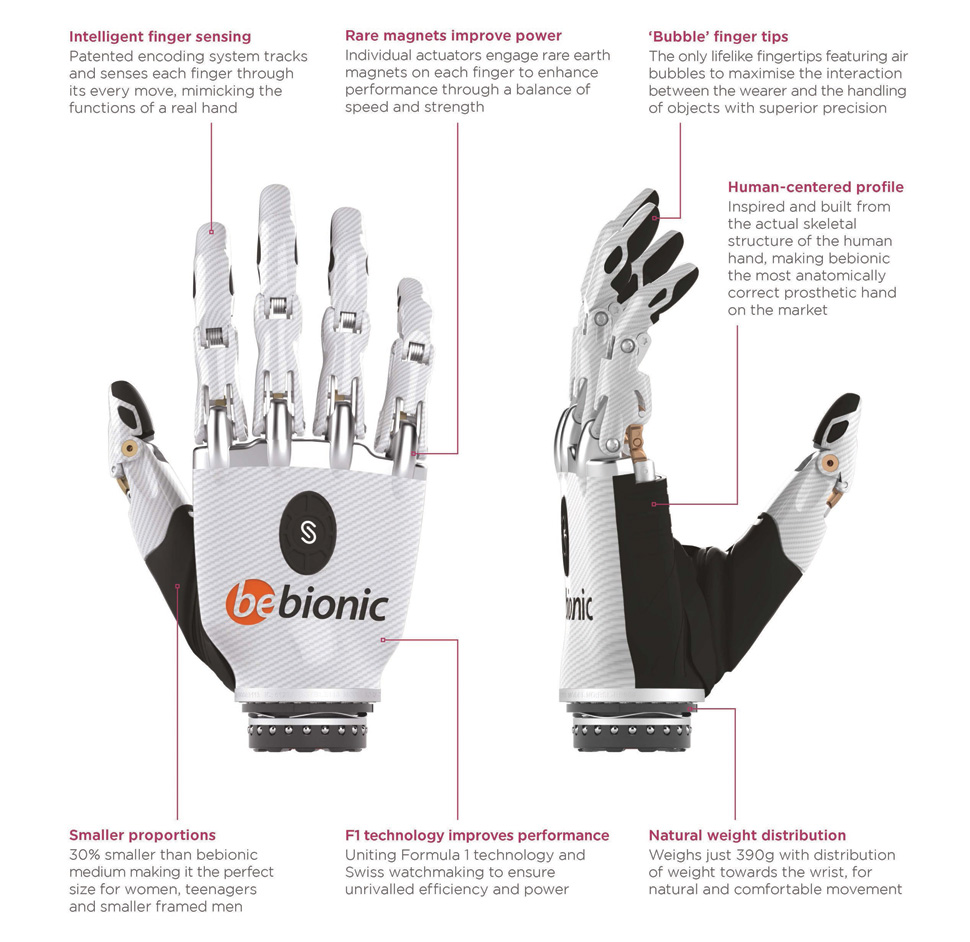
. A congenital amputee from London has become the first user in the UK to be fitted with a new prosthetic hand that launches this week and sets a new benchmark in small myoelectric hands.
Developed using Formula 1 technology and specifically in scale for women and teenagers, the bebionic small hand is built around an accurate skeletal structure with miniaturised components designed to provide the most true-to-life movements. The bebionic small hand, developed by prosthetic experts Steeper, will enable fundamental improvements in the lives of thousands of amputees across the world. The hand marks a turning point in the world of prosthetics as it perfectly mimics the functions of a real hand via 14 different precision grips. A bionic extension of the arm that enables the utmost dexterity will enable amputees to engage in a range of activities that would have previously been complex and unmanageable. Nicky Ashwell, 29, born without a right hand, received Steeper's latest innovation at a fitting by London Prosthetics Centre, a private facility providing expert services in cutting-edge prosthetics. Before being fitted with the bebionic small hand, Nicky would use a cosmetic hand without movement; as a result, Nicky learned to carry out tasks with one hand. The bebionic small hand has been a major improvement to Nicky's life, enabling her to do things previously impossible with one hand such as riding a bike, gripping weights with both hands, using cutlery and opening her purse. Nicky, who is a Product Manager at an online fashion forecasting and trend service, said: "When I first tried the bebionic small hand it was an exciting and strange feeling; it immediately opened up so many more possibilities for me. I realised that I had been making life challenging for myself when I didn't need to. The movements now come easily and look natural; I keep finding myself being surprised by the little things, like being able to carry my purse while holding my boyfriend's hand. I've also been able to do things never before possible like riding a bike and lifting weights." Bebionic small hand works using sensors triggered by the user's muscle movements that connect to individual motors in each finger and powerful microprocessors. The technology comprises a unique system which tracks and senses each finger through its every move – mimicking the functions of a real hand. Development follows seven years of research and manufacturing, including the use of Formula 1 techniques and military technology along with advanced materials including aerograde aluminium and rare Earth magnets. Ted Varley, Technical Director at Steeper said, "Looking to the future, there's a trend of technology getting more intricate; Steeper has embraced this and created a smaller hand with advanced technology that is suitable for women and teenagers. An accurate skeletal structure was firstly developed, with the complex technology then specifically developed to fit within this in order to maintain anatomical accuracy. In other myoelectric hands the technology is developed first, at the expense of the lifelikeness."Bebionic small hand at a glance: (1) Contains 337 mechanical parts (2) 14 grip patterns and hand positions to allow a range of precision movements (3) Weighs approximately 390g – the same as a large bar of Galaxy chocolate (4) 165mm from base to middle fingertip – the size of an average woman's hand (5) Strong enough to handle up to 45kg – around the same as 25 bricks (6) The only multi-articulated hand with patented finger control system using rare Earth magnets (7) Specifically designed with women, teenagers and smaller-framed men in mind, Source: Article
Ad Vingerhoets is probably the only “crying professor” (from the University of Tilburg). Why do people cry? He says that crying is not so much about feeling sad, but about feeling hopeless and powerless or other feelings like altruism, self sacrifice etc. He says women and children mostly cry with someone else while men prefer to cry alone. In Northern, colder countries, people cry more because in warmer countries there are more social conventions. The less testosterone, the more easily men cry. Source: Article, Image: flickr.com
Scientists reported today the first human recipients of laboratory-grown vaginal organs. A research team led by Anthony Atala, M.D., director of Wake Forest Baptist Medical Center’s Institute for Regenerative Medicine, describes in the Lancet long-term success in four teenage girls who received vaginal organs that were engineered with their own cells. “This pilot study is the first to demonstrate that vaginal organs can be constructed in the lab and used successfully in humans,” said Atala. “This may represent a new option for patients who require vaginal reconstructive surgeries. In addition, this study is one more example of how regenerative medicine strategies can be applied to a variety of tissues and organs.” The girls in the study were born with Mayer-Rokitansky-Küster-Hauser (MRKH) syndrome, a rare genetic condition in which the vagina and uterus are underdeveloped or absent. The treatment could also potentially be applied to patients with vaginal cancer or injuries, according to the researchers. The girls were between 13 and 18 years old at the time of the surgeries, which were performed between June 2005 and October 2008. Data from annual follow-up visits show that even up to eight years after the surgeries, the organs had normal function. “Tissue biopsies, MRI scans and internal exams using magnification all showed that the engineered vaginas were similar in makeup and function to native tissue, said Atlantida-Raya Rivera, lead author and director of the HIMFG Tissue Engineering Laboratory at the MRKH in Mexico City, where the surgeries were performed. In addition, the patients’ responses to a Female Sexual Function Index questionnaire showed they had normal sexual function after the treatment, including desire and pain-free intercourse. The organ structures were engineered using muscle and epithelial cells (the cells that line the body’s cavities) from a small biopsy of each patient’s external genitals. In a Good Manufacturing Practices facility, the cells were extracted from the tissues, expanded and then placed on a biodegradable material that was hand-sewn into a vagina-like shape. These scaffolds were tailor-made to fit each patient. About five to six weeks after the biopsy, surgeons created a canal in the patient’s pelvis and sutured the scaffold to reproductive structures. Previous laboratory and clinical research in Atala’s lab has shown that once cell-seeded scaffolds are implanted in the body, nerves and blood vessels form and the cells expand and form tissue. At the same time the scaffolding material is being absorbed by the body, the cells lay down materials to form a permanent support structure – gradually replacing the engineered scaffold with a new organ. Followup testing on the lab-engineered vaginas showed the margin between native tissue and the engineered segments was indistinguishable and that the scaffold had developed into tri-layer vaginal tissue. Current treatments for MRHK syndrome include dilation of existing tissue or reconstructive surgery to create new vaginal tissue. A variety of materials can be used to surgically construct a new vagina – from skin grafts to tissue that lines the abdominal cavity. However, these substitutes often lack a normal muscle layer and some patients can develop a narrowing or contracting of the vagina. The researchers say that with conventional treatments, the overall complication rate is as high as 75 percent in pediatric patients, with the need for vaginal dilation due to narrowing being the most common complication. Before beginning the pilot clinical study, Atala’s team evaluated lab-built vaginas in mice and rabbits beginning in the early 1990s. In these studies, scientists discovered the importance of using cells on the scaffolds. Atala’s team used a similar approach to engineer replacement bladders that were implanted in nine children beginning in 1998, becoming the first in the world to implant laboratory-grown organs in humans. The team has also successfully implanted lab-engineered urine tubes (urethras) into young boys. The team said the current study is limited because of its size, and that it will be important to gain further clinical experience with the technique and to compare it with established surgical procedures. Co-researchers were James J. Yoo, M.D., Ph.D., and Shay Soker, Ph.D., Wake Forest Baptist, and Diego R. Esquiliano M.D., Reyna Fierro-Pastrana P.hD., Esther Lopez-Bayghen Ph.D., Pedro Valencia M.D., and Ricardo Ordorica-Flores, M.D.,Children’s Hospital Mexico Federico Gomez Metropolitan Autonomous University, Mexico. Source: Article,
BY THE GOAT CHEESE LADY: I tend to do things at the last minute — I believe they call it procrastination; I call it thriving under pressure. As you know, we had our farm for sale but what I haven't told you yet is that it SOLD! The packing, downsizing, sorting and cleaning all went well, and actually rather smoothly. We have five weeks in between moving out of our old place and moving to our new farm, which is why we are grateful that my parents offered for us to live with them during our stint with no permanent address. By the middle of the second week of staying with my parents, I began to get restless. No goats, no classes, no farm, no laundry or cooking. I love my mom; she’s fed us the entire time! But there was A LOT of goat milk lotion and soap sitting, unsupervised and un-income-producing, in the basement just waiting to take over their kitchen in anticipation of becoming someone's Christmas gift. Here comes the last-minute part; why not launch a two-day online goat milk soap and lotion sale in the midst of moving and right before traveling out of the country? We launched the sale on a Wednesday, and had it end Thursday at midnight. My husband partnered with me to pack and ship all of the orders on the following Friday — two days before we took a trip home to El Salvador. (Yikes — throw in a little excitement, will ya?) And, yes; if you were at the Westend Post Office that day around noon, that was us holding up the line. We were the ones with the small mountain of Priority Mail packages that the clerk so patiently received one by one, by one. The mood of the place was cheerful, though. Chalk it up to the season, or just plain nice people, I couldn't feel any eyes boring into my back, seething over the fact that we occupied 50 percent of the postal staff for at least 15 minutes, but I digress. In celebration of the fact that we are in the midst of moving and as a thank-you for reading the IndyBlog, I’ll give you a sneak peek into how to make the lotion that was shipping in those boxes.
As for the ingredients, you'll need:
10.2 oz water
10.2 oz goat milk
1.2 oz emulsifying wax
3.7 oz oils (use any assortment of oils you like, as long as the total weight is 3.7 oz)
1.2 oz shea butter
.3 oz optiphen or germaben II
Here are the steps:
Heat oils and butters until melted. Add emulsifying wax and heat until melted.
Combine milk and water and heat to 80-100 degrees.
Combine oil, butters, wax with milk and water mixture.
Mix with an emersion blender until mixture thickens, 2-5 minutes.
Add optiphen or germaben II (preservatives), mix 1 minute. Mixture will thin again.
Pour mixture into containers and let cool. The lotion will thicken again at room temperature.
Because I support as many local businesses as I can, and because they have everything I need for lotion-making, I get all of my supplies at Buckley's Homestead Supply. Now you know everything you need to about making your own lotion...just don't wait till the last minute!! Happy Holidays! Lindsey is a city girl turned urban farm girl. She and her family are the proud stewards of a few milking goats, a lot of working chickens, an organic garden and a budding orchard. Just around the corner is the city. But she, and her farm, are hidden by the rocks. Follow her on Twitter (@goatcheeselady) and FaceBook (The Goat Cheese Lady) or visit her website (thegoatcheeselady.com). E-mail questions, comments, suggestions, etc to Lindsey at: thegoatcheeselady@gmail.com. Source: Article
Doctors in Sweden have announced the first baby born to a mother with a womb transplant. This pioneering operation offers hope to thousands of couples who are unable to conceive children.
In 2013, researchers at the University of Gothenburg completed a series of nine womb transplants on women in Sweden. Among the patients was an unnamed 36-year-old with Mayer-Rokitansky-Küster-Hauser syndrome (MRKH), a rare condition that prevents the uterus from developing. Her ovaries were intact, however, so she could ovulate. This female became the recipient of a uterus donation from her 61-year-old family friend, the latter having gone through the menopause around seven years earlier. Drugs were needed to suppress the immune system, which otherwise would have resulted in the organ being rejected. Alongside this, IVF was used to produce 11 embryos, frozen and stored for later use. In January 2014, a year after the transplant, doctors successfully implanted one of these embryos into the patient, transferring it to her new womb. There were concerns over how well a transplanted uterus would
Credit: The Lancet
cope with the strains of pregnancy, during which it swells greatly in size. The procedure had been attempted by scientists in the past – but in each case, it led to either a miscarriage or organ failure caused by disease. On this occasion, however, the operation was successful. There were problems in the 31st week of pregnancy – as the mother developed a condition known as pre-eclampsia (characterised by high blood pressure) – but a caesarean section delivered a healthy baby boy weighing 3.9 pounds (1.8 kg); normal for that stage of pregnancy. British medical journal The Lancet has released a photo below and is due to publish a report on the case shortly. This milestone in reproductive medicine – the culmination of more than 10 years' research and surgical training – offers hope to thousands of couples who are unable to conceive children. The doctor who led the work, Prof. Mats Brännström, has issued a note of caution, however. In an interview he stated it will be "many, many years" before this operationbecomes routine. This is partly because of the extremely high cost, but also because it remains a new and somewhat experimental procedure, only performed by certain specialist surgeons in select centres and requiring various further studies. Dr Allan Pacey, of the British Fertility Society says: "I think it is brilliant and revolutionary, and opens the door to many infertile women. The scale of it feels a bit like IVF. It feels like a step change. The question is can it be done repeatedly, reliably and safely." "He’s no different from any other child – but he will have a good story to tell," the father says. "One day, he can look at the newspaper articles about how he was born and know that he was the first in the world to be born this way."Source: Article
Linda Cortile was abducted around 3:00 A.M., on November 30, 1989. She was happily married and a mother of two children. On November 30, Linda was asleep when was suddenly awakened only to find several aliens standing beside her bed. They were little figures, a little more than four feet; their heads were out of proportion to their bodies and ?teetered there as if they might fall off under their own weight.? Linda remembered being transported out of her apartment building and into a UFO. She had no recollection of the events after that. The next morning, Linda contacted UFO investigator Budd Hopkins and told him what she remembered about the abduction. Linda revealed, through many hypnosis sessions, that while inside the craft the aliens had examined her nose. Linda said during hypnosis:? They?re feeling the contour of my nose and they?re looking in my nose on the left side. And then they go to the right side and they?re looking inside there. And I?m just saying to myself, ?I hope I sneeze. And I hope they get it right in the face.? They?re spending a lot of time on the right side of my nostril.? The alien also performed numerous tests on Linda?s body, from her feet to her chest. At first Budd thought it was another case of encounter that can be explained in a psychological way, but fifteen months later Budd received a letter from two men claiming that they were police officers and that they had witnessed Linda?s abduction. Budd continually tried to contact the two officers but they refused to meet with Budd. It was later revealed that the two alleged police officers were bodyguards for a famous political figure in New York City. The two bodyguards, along with the anonymous political figure, were heading toward the New York heliport when the car had stopped mysteriously on its own. The two bodyguards and the political figure had witnessed the entire abduction. Also, in 1991, Budd received another letter from a woman saying that while she was passing over the Brooklyn Bridge at 3:00 A.M. on November 30, 1989, all of the car's lights and engine failed, including the streetlights nearby. She got out of her car to see what may have caused this and she saw, along with other drivers, a woman floating, twelve-stories high, into a UFO above her apartment building. Out of five witnesses, only one of them could be verified. Aside from the witneses, physical evidence was also discovered. During Linda?s routine examination that took place some time after the abduction, a metallic object was discovered inside Linda?s nasal cavity, a possible alien implant. Two weeks after the x-ray was taken, Linda suffered a serious nosebleed during the night. In the morning she had found extensive bloodstains on her face, pillow, and various places. Linda remembered nothing about the nosebleed and had no clue as to how she could have gone to sleep without realizing that her nose was bleeding. A later x-ray was taken and another examination was performed by specialists but the metallic object was no longer present, though a conspicuous ridge of built-up cartilage showed that there had once been an implant. It was believed by both Linda and Budd, that it had been removed by the alens, after the x-rays had been taken in order to conceal their efforts. Source: Article




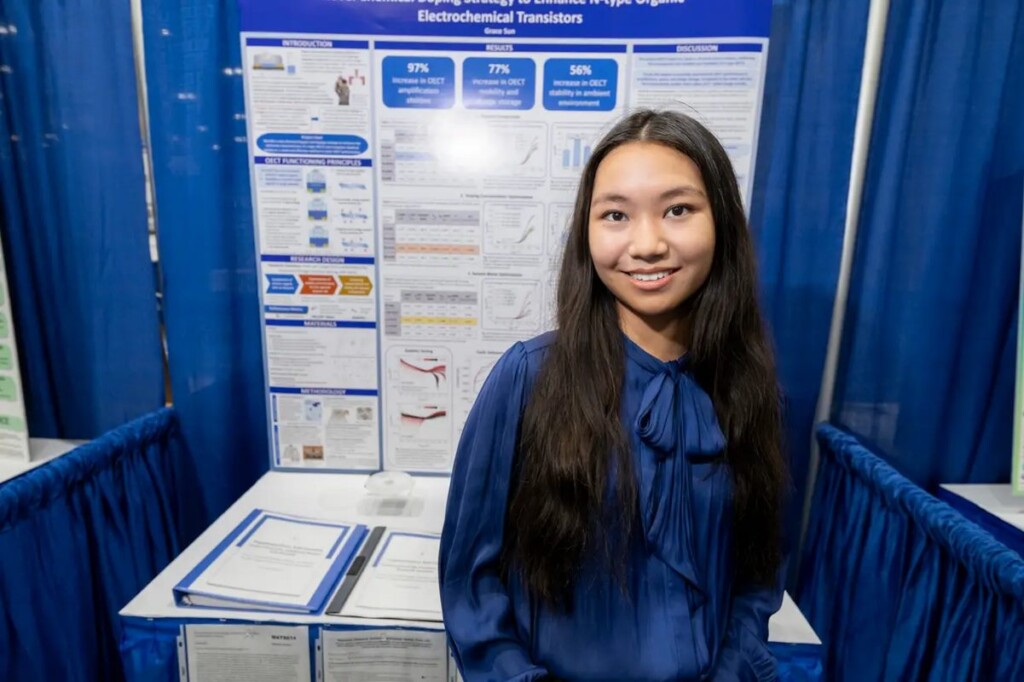 Grace Sun, credit – Society for Science