How exercise increases brain volume — and may slow memory decline

Exercising for 25 minutes a week, or less than four minutes a day, could help to bulk up our brains and improve our ability to think as we grow older. A new study, which involved scanning the brains of more than 10,000 healthy men and women from ages 18 to 97, found that those who walked, swam, cycled or otherwise worked out moderately for 25 minutes a week had bigger brains than those who didn’t, whatever their ages.

Bigger brains typically mean healthier brains.

The differences were most pronounced in parts of the brain involved with thinking and memory, which often shrink as we age, contributing to risks for cognitive decline and dementia.

“This is an exciting finding and gives us more fuel for the idea that being physically active can help maintain brain volume across the life span,” said David Raichlen, a professor of biological sciences and anthropology at the University of Southern California. He studies brain health but was not involved with the new study.

The results have practical implications, too, about which types of exercise seem best for our brain health and how little of that exercise we may really need.

– – –

Little exercise, big brain

“We wondered, if we chose a very low threshold of exercise what would we see?” said Cyrus A. Raji, an associate professor of radiology and neurology at Washington University in St. Louis, who led the new study.

He and his colleagues were well aware that exercise is good for brains, especially as we age. Physically active older people are far less likely than the sedentary to develop Alzheimer’s disease or other types of memory loss and cognitive decline.

But he also knew that few people in the real world exercise much. “You hear that you need 10,000 steps a day,” he said, “or 150 minutes a week. But it’s very hard to reach” those goals.

Would less – even far less – exercise still help to build healthier brains, he and his colleagues wondered?

What about, for instance, 25 minutes of exercise a week, a sixth of the 150 minutes recommended in most formal exercise guidelines?

“It seemed an achievable amount for most people,” Raji said. But would it show effects on brains?

– – –

10,125 brain scans

He and his colleagues turned to existing brain scans for 10,125 mostly healthy adults of all ages who’d come to the university medical center for diagnostic tests. Beforehand, these patients had provided information about their medical histories and how often and strenuously they’d exercised during the past two weeks.

The researchers divided them into those who’d exercised for at least 25 minutes a week and those who hadn’t.

Then, with the aid of artificial intelligence, they began comparing scans and exercise habits, looking for differences in brain volume, or how much space a brain and its constituent parts fill. More volume is generally desirable.

A clear pattern quickly emerged. Men and women, of any age, who exercised for at least 25 minutes a week showed mostly greater brain volume than those who didn’t. The differences weren’t huge but were significant, Raji said, especially when the researchers looked deeper inside the organ.

There, they found that exercisers possessed greater volume in every type of brain tissue, including grey matter, made up of neurons, and white matter, the brain’s wiring infrastructure, which supports and connects the thinking cells.

More granularly, the exercisers tended to have a larger hippocampus, a portion of the brain essential for memory and thinking. It usually shrinks and shrivels as we age, affecting our ability to reason and recall.

They also showed larger frontal, parietal and occipital lobes, which, together, signal a healthy, robust brain.

– – –

Moderate exercise was best for brains

“It was surprising and encouraging” to see such widespread effects in the brains of people who were exercising so little, Raji said.

Of course, this study was associational, meaning it showed links between exercise and brain health, but not that exercise necessarily caused the improvements. So it’s possible other lifestyle factors or genetics were at play, or that people with big brains just happened to like exercise. But given the number of scans and the wide age range, Raji believes the effects of exercise on people’s brains were real and direct and would help to maintain our ability to think well as we grow older.

Exactly how exercise might be altering brains is impossible to say from this study. But Raji and his colleagues believe exercise reduces inflammation in the brain and also encourages the release of various neurochemicals that promote the creation of new brain cells and blood vessels.

In effect, exercise seems to help build and bank a “structural brain reserve,” he said, a buffer of extra cells and matter that could protect us somewhat from the otherwise inevitable decline in brain size and function that occurs as we age. Our brains may still shrink and sputter over the years. But, if we exercise, this slow fall starts from a higher baseline.

Perhaps best of all, the most effective exercise in the study was also relatively gentle. People who said they exercised moderately, meaning they could still chat as they worked out, wound up with somewhat greater brain volume than those who exercised more vigorously, such as by swift running.

But the numbers of vigorous exercisers were quite small, making comparisons suspect, Raji said, and their brain volume was still larger than among those who rarely, if ever, exercised at all.

Overall, any exercise of any type and in even small amounts is likely to be “a very good idea” for brain health, he said.Raichlen agrees. “Studies like this continue to provide strong evidence that moving your body even a small amount may have an impact on brain health, and that it is never too early, or too late, to start.”How exercise increases brain volume — and may slow memory declineImage Link Flickr
Read More........

Exercise reduces effects of depression on the heart, study shows

Story image
An Emory University study published this week in the Journal of the American College of Cardiology (ACC) finds that while symptoms of mild to minimal depression are associated with early indicators of heart disease, regular exercise seems to reduce the adverse cardiovascular effects of depression. Arshed A. Quyyumi, MD, professor of medicine (cardiology), Emory University School of Medicine and co-director of the Emory Clinical Cardiovascular Research Institute and colleagues studied 965 people who were free of heart disease and who had no prior diagnosis of an affective, psychotic or anxiety disorder. Thirty-five percent of the participants were men and 39 percent were African Americans. "This study shows that meeting physical activity guidelines can offset the deterioration in vascular health that accompanies depressive symptoms and provides further evidence that regular physical activity is beneficial to everyone," says Quyyumi, the study’s lead investigator. "The findings highlight the link between worsening depression and cardiovascular risk and support routinely assessing depression in patients to determine heart disease risk." Researchers used questionnaires to evaluate patients for depression and levels of physical activity, according to the U.S. Department of Health and Human Services’ 2008 Physical Activity Guidelines for Americans (2.5 or 1.25 hours/week of moderate- or vigorous-intensity physical activity, respectively). They also looked at several early indicators of heart disease, including the inflammatory marker C-reactive protein. Persistently high CRP levels in the blood may indicate increased risk for heart disease. "We illustrated that the mere presence of minimal depressive symptoms in a lower risk, ambulatory population is associated with significantly higher CRP levels as well as gradual depletion of glutathione and progressive stiffening of the arteries," says co-investigator Ibhar Al Mheid, MD, an Emory cardiology fellow. The intracellular antioxidant, glutathione, is a naturally occurring protein that protects cell, tissue, and organs from toxic free radicals and disease. Researchers found arterial stiffening and inflammation — indicators of early heart disease — that accompany worsening depressive symptoms were more pronounced in people who were inactive. The indicators were less common in subjects engaging in regular physical activity. Depression has been linked to an increased risk of heart disease and other physical ailments, and depression is commonly associated with worse outcomes for patients with heart disease and other conditions. In addition, as many as 20 percent of people hospitalized with a heart attack report symptoms of depression, while patients with heart disease have three times the risk of developing depression compared to the general population. "There are many patients with heart disease who also experience depression – we need to study whether encouraging them to exercise will reduce their risk of adverse outcomes," Quyyumi adds. Other co-investigators at Emory include: Elizabeth Held; Irina Uphoff; Greg S. Martin; Sandra Dunbar; Aurelian Bidulescu; Gary Gibbons; Dean P. Jones and Viola Vaccarino. Source: http://news.emory.edu/
Read More........

The Technogym treadmill controlled by Google Glass

Technogym has announced a new bit of fitness equipment for those who like to go running indoors and wear their Google Glass. The niche product, showcasing at CES this week in Las Vegas, will let Glass wearers tap into the specially enhanced treadmill allowing them to see running data on their headset rather than, look down at the huge tablet-like console directly in front of them. But it's not just Google Glass. The Android-based system, dubbed Unity, comes with an API that allows any app for a third party
to connect to the intelligent treadmill, meaning you can get data tapped straight into your favourite app or on to a device you are wearing. "Unity is part of Wellness on the Go, Technogym’s complete experience that allows users to engage and connect with others on any piece of Technogym equipment, anywhere in the world," explains Technogym, living up to its name. "Moreover Unity is the first and only console in the fitness industry that offers users the ability to communicate with their personal trainer or friends via webcam." Unity is already compatible with MapMyFitness, RunKeeper and Withings. No word however on price or when the treadmill will be available in the UK. Source: SAM Daily Times
Read More........

Next-Gen Solution for Shocking Muscle Gains

One new supplement is revolutionizing the way pro athletes and bodybuilders achieve results. Have you ever considered taking steroids to get the perfect body? In recent years, media coverage exposing steroid use in professional sports has highlighted the widespread demand for that extra edge to build muscle, get stronger, and look better. Steroids, although effective, are unhealthful and illegal to use without a prescription. Millions of dollars have been spent in sports medicine research to find a completely safe, natural alternative that produces the same results. Years of research now suggest that nitric oxide supplements may maximize your muscle gains. In fact, the launch of one specific nitric oxide supplement called Force Factor in 2009 revolutionized the sports nutrition industry. Today, the team behind Force Factor claims to have done it again – discovering a new nitric oxide pathway for even better workouts and even more dramatic results. The new product is called Factor 2 and is quickly gaining popularity with pro athletes and fitness enthusiasts. Athletes like professional football player Vernon Davis, are just now discovering the dramatic benefits of using a nitric oxide supplement. Davis has been an advocate of Factor 2 since first taking it, telling his teammates in San Francisco, "Factor 2 has proven results. I believe in results." The Science Behind Nitric Oxide: Your body naturally produces nitric oxide to move oxygen to your muscles while you exercise. This burst of oxygen keeps your muscles functioning while you lift weights or blast through your cardio sessions. Unfortunately, your body can only generate a limited amount of nitric oxide. When the nitric oxide runs out, your muscles can no longer power through the exercise, no matter how much mental determination you have. Taking a nitric oxide supplement 30 minutes before you work out could be the push your body needs to add weight to your bench press or run that extra mile. This increased stamina can result in longer, harder workouts and a healthier, stronger body in less time. Suggested Benefits of Nitric Oxide Supplements: 
  • Drastic Muscle Gains
  • Increased Blood Flow and Oxygen Delivery
  • Boosted Strength, Endurance, and Power
  • Support for Your Immune System
  • Immediate Results
  • Total Body Transformation
Since its launch in 2009, Force Factor has enjoyed skyrocketing success, winning honors like GNC’s "Rising Star" award and Bodybuilding.com’s "Best New Brand" award while transforming the bodies of thousands of men and women throughout the U.S. Today, they’ve improved upon their original, groundbreaking formula and have released the most advanced nitric oxide supplement on the market: Factor 2. According to the manufacturer, Factor 2 has set a new standard for nitric oxide supplements with a superior pathway to increasing your body’s level of nitric oxide naturally. With a heightened release, Factor 2 is suggested to provide a powerful workout experience and results that go above and beyond the competition. Professional basketball superstars, football players, and powerlifters have all said that Factor 2 works for them. Will you continue to struggle at the gym, or will you take this opportunity to finally make a change? UPDATE: Force Factor is now offering 14-day samples of Factor 2 to readers of SmarterLifestyles on a limited basis. If you are not able to claim a sample online, you can find Factor 2 at your local GNC. Source: SmarterLifestyles
Read More........

Terminator Arm Dad

Nigel Ackland, 53, a father who lost an arm in a work accident, had this bionic 'Terminator arm' fitted. He uses the new limb by sending signals from his brain and controling it with his upper arm.
This remarkable video composes us speculate — is there some sort of psychosomatic assessment before someone is given a robot-Terminator arm, or do doctors just cross their fingers and hope for the best? It seems like that could go really wrong. luckily, Nigel Ackland, 53, is using his  bionic arm for cracking eggs and torrential beers, rather than throttling somebody until their heart beats no more. Ackland lost part of his arm in an accident, and now for the first time in six years he can dress
himself, peel vegetables and shake hands with any person brave enough to stick their hand into a robot hand, gratitude to sensors in the arm that are attached to two muscles. Good job, science. Source: SpotINFO
Read More........

Giant Medical Leap! Mind Controlled Robot Arm Functions As Fast As A Real Arm For Quadriplegic Woman

Credit: UPMC
All she wanted was chocolate. Just the simple act of dropping some into her own mouth and savoring both the sweetness of the goodie and of an act of independence she hasn't enjoyed for 10 years. Jan Scheuermann, 53, came home to Pittsburgh a decade ago because she thought her degenerative condition might soon lead to her death, with two young children and a husband finding more insulation around her extended family in the South Hills. Upon seeing the success of study participant Tim Hemmes in the previous round of the Brain Computer Interface project, Ms. Scheuermann contacted the researchers and became part of a scientific breakthrough. And she also got to have her chocolate. Reaching out to “high five” someone, grasping and moving objects of different shapes and sizes, feeding herself dark chocolate. For Jan Scheuermann and a team of researchers from the University of Pittsburgh School of Medicine and UPMC, accomplishing these seemingly ordinary tasks demonstrated for the first time that a person with longstanding quadriplegia can maneuver a mind-controlled, human-like robot arm in seven dimensions (7D) to consistently perform many of the natural and complex motions of everyday life. In a study published in the online version of The Lancet, the researchers described the brain-computer interface (BCI) technology and training programs that allowed
Ms. Scheuermann, 53, of Whitehall Borough in Pittsburgh, Pa. to intentionally move an arm, turn and bend a wrist, and close a hand for the first time in nine years. Jan Scheuermann, who has quadriplegia, brings a chocolate bar to her mouth using a robot arm she is guiding with her thoughts. Researcher Elke Brown, M.D., watches in the background. Less than a year after she told the research team, “I’m going to feed myself chocolate before this is over,” Ms. Scheuermann savored its taste and announced as they applauded her feat, “One small nibble for a woman, one giant bite for BCI.” “This is a spectacular leap toward greater function and independence for people who are unable to move their own arms,” agreed senior investigator Andrew B. Schwartz, Ph.D., professor, Department of Neurobiology, Pitt School of Medicine. “This technology, which interprets brain signals to guide a robot arm, has enormous potential that we are continuing to explore. Our study has shown us that it is technically feasible to restore ability; the participants have told us that BCI gives them hope for the future.” In 1996, Ms. Scheuermann was a 36-year-old mother of two young children, running a successful business planning parties with murder-mystery themes and living in California when one day she noticed her legs seemed to drag behind her. Within two years, her legs and arms progressively weakened to the point that she required a wheelchair, as well as an attendant to assist her with dressing, eating, bathing and other day-to-day activities. After returning home to Pittsburgh in 1998 for support from her extended family, she was diagnosed with
Credit: UPMC
spinocerebellar degeneration, in which the connections between the brain and muscles slowly, and inexplicably, deteriorate. “Now I can’t move my arms and legs at all. I can’t even shrug my shoulders,” she said. “But I have come to the conclusion that worrying about something is experiencing it twice. I try to dwell on the good things that I have.” A friend pointed out an October 2011 video about another Pitt/UPMC BCI research study in which Tim Hemmes, a Butler, Pa., man who sustained a spinal cord injury that left him with quadriplegia, moved objects on a computer screen and ultimately reached out with a robot arm to touch his girlfriend. “Wow, it’s so neat that he can do that,” Ms. Scheuermann thought as she watched him. “I wish I could do something like that.” She had her attendant call the trial coordinator immediately, and said, “I’m a quadriplegic. Hook me up, sign me up! I want to do that!” On Feb. 10, 2012, after screening tests to confirm that she was eligible for the study, co-investigator and UPMC neurosurgeonElizabeth Tyler-Kabara, M.D., Ph.D., assistant professor, Department of Neurological Surgery, Pitt School of Medicine, placed two quarter-inch square electrode grids with 96 tiny contact points each in the regions of Ms. Scheuermann’s brain that would normally control right arm and hand movement. “Prior to surgery, we conducted functional imaging tests of the brain to determine exactly where to put the two grids,” she said. “Then we used imaging technology in the operating room to guide placement of the grids, which have points that penetrate the brain’s surface by about one-sixteenth of an inch.” The electrode points pick up signals from individual neurons and computer algorithms are used to identify the firing patterns associated with particular observed or imagined movements, such as raising or lowering the arm, or turning the wrist, explained lead investigator Jennifer Collinger, Ph.D., assistant professor, Department of Physical Medicine and Rehabilitation (PM&R), and research scientist for the VA Pittsburgh Healthcare System. That intent to move is then translated into actual movement of the robot arm, which was developed by Johns Hopkins University’s Applied Physics Lab. Two days after the operation, the team hooked up the two terminals that protrude from Ms. Scheuermann’s skull to the computer. “We could actually see the neurons fire on the computer screen when she thought about closing her hand,” Dr. Collinger said. “When she stopped, they stopped firing. So we thought, ‘This is really going to work.’” Within a week, Ms. Scheuermann could reach in and out, left and right, and up and down with the arm, which she named Hector, giving her 3-dimensional control that had her high-fiving with the researchers. “What we did in the first week they thought we’d be stuck on for a month,” she noted. Before three months had passed, she also could flex the wrist back and forth, move it from side to side and rotate it clockwise and counter-clockwise, as well as grip objects, adding up to what scientists call 7D control. In a study task called the Action Research Arm Test, Ms. Scheuermann guided the arm from a position four inches above a table to pick up blocks and tubes of different sizes, a ball and a stone and put them down on a nearby tray. She also picked up cones from one base to restack them on another a foot away, another task requiring grasping, transporting and positioning of objects with precision. “Our findings indicate that by a variety of measures, she was able to improve her performance consistently over many days,” Dr. Schwartz explained. “The training methods and algorithms that we used in monkey models of this technology also worked for Jan, suggesting that it’s possible for people with long-term paralysis to recover natural, intuitive command signals to orient a prosthetic hand and arm to allow meaningful interaction with the environment.” In a separate study, researchers also continue to study BCI technology that uses an electrocortigraphy (ECoG) grid, which sits on the surface of the brain rather than slightly penetrates the tissue as in the case of the grids used for Ms. Scheuermann. In both studies, “we’re recording electrical activity in the brain, and the goal is to try to decode what that activity means and then use that code to control an arm,” said senior investigator Michael Boninger, M.D., professor and chair, PM&R, and director of UPMC Rehabilitation Institute. “We are learning so much about how the brain controls motor activity, thanks to the hard work and dedication of our trial participants. Perhaps in five to 10 years, we will have a device that can be used in the day-to-day lives of people who are not able to use their own arms.” The next step for BCI technology will likely use a two-way electrode system that can not only capture the intention to move, but in addition, will stimulate the brain to generate sensation, potentially allowing a user to adjust grip strength to firmly grasp a doorknob or gently cradle an egg. After that, “we’re hoping this can become a fully implanted, wireless system that people can actually use in their homes without our supervision,” Dr. Collinger said. “It might even be possible to combine brain control with a device that directly stimulates muscles to restore movement of the individual’s own limb.” For now, Ms. Scheuermann is expected to continue to put the BCI technology through its paces for two more months, and then the implants will be removed in another operation. “This is the ride of my life,” she said. “This is the rollercoaster. This is skydiving. It’s just fabulous, and I’m enjoying every second of it.” In addition to Drs. Collinger, Tyler-Kabara, Boninger and Schwartz, study co-authors include Brian Wodlinger, Ph.D., John E. Downey, Wei Wang, Ph.D., and Doug Weber, Ph.D., all of PM&R; and Angus J. McMorland, Ph.D., and Meel Velliste, Ph.D., of the Department of Neurobiology, Pitt School of Medicine. The BCI projects are funded by the Defense Advanced Research Projects Agency, National Institutes of Health grant 8KL2TR000146-07, the U.S. Department of Veteran’s Affairs, the UPMC Rehabilitation Institute and the University of Pittsburgh Clinical and Translational Science Institute. Source: University of Pittsburgh School of Medicine Giant Medical Leap!, Source: Nano Patents And Innovations
Read More........

Now, a musical app that listens to your heart during exercise

Fast musical notes on a music sheet Researchers have designed a new "Musical Heart" that enables your smartphone to select music to get your heart pumping during workout. The biofeedback-based system developed by a University of Virginia graduate researcher helps smartphones select music that will help get their owners' heart pumping during exercise and slow it down when they want to cool down or relax. "Whether I am driving, jogging, travelling or relaxing – I never find the appropriate music to listen to," said Shahriar Nirjon, a doctoral student in computer science in the School of Engineering and Applied Science. "I believe there are many like me. The problem is: The heart wants to hear something, but our music player does not understand the need. My joy was in connecting them together - in a non-invasive and cost-effective way," Nirjon said. Called "Musical Heart", the system "brings together wellness and entertainment," Nirjon said in a statement. Musical Heart works by merging a microphone that detects the pulse in arteries in the ear with earphones that bring in music from a playlist on a smartphone. An app selects tunes that optimise the heart rate of an individual user based on a given activity, whether running, walking or relaxing - playing fast-paced music for hard workouts, and slowing the beat for cool-downs. An algorithm refines the music selection process of the system by storing heart rate data and calculating the effects of selected music on the rate. Over time, it improves music selections to optimise the user's heart rate. "We've designed Musical Heart to be convenient, non-invasive, personalised and low cost," Nirjon said. Musical Heart uses a pair of specially built earphones equipped with tiny sensors to continuously monitor the user's heart rate and activity level. That physiological information, along with contextual information, is then sent to a remote server, which provides dynamic music suggestions to help the user maintain a target heart rate. The system learns, in essence, to select music that will have a desired effect on heart rate customised to the individual user, based on the effects of past music selections on the heart rate. Source: Indian ExpressImage: flickr.com
Read More........

Healthy Heart Can Add 14 Years To Your Life: Study


Healthy heartPeople with optimal heart health in middle age may live up to 14 years longer, according to a new study. Researchers from the Northwestern University found that keeping cardiovascular disease risk factors low may lead to healthier life. The study found that those who had a healthy heart lived 14 years longer, free of cardiovascular disease than their peers who had two or more cardiovascular disease (CVD) risk factors. "We found that many people develop cardiovascular disease as they live into old age, but those with optimal risk factor levels live disease-free longer," said John T Wilkins, first author of the study. "We need to do everything we can to maintain optimal risk factors so that we reduce the chances of developing cardiovascular disease and increase the chances that we'll live longer and healthier," Wilkins said in a statement. Researchers pulled data from five different cohorts included in the Cardiovascular Lifetime Risk Pooling Project and looked at the participants' risk of all forms of fatal and nonfatal cardiovascular disease from ages 45, 55 and 65 through 95 years of age. All participants were free of CVD at entry into the study and data on the following risk factors was collected: blood pressure, total cholesterol, diabetes and smoking status. The primary outcome measure for the study was any CVD event (including fatal and nonfatal coronary heart disease, all forms of stroke, congestive heart failure, and other CVD deaths). The study found that men in middle age had lifetime risks of approximately 60 per cent for developing cardiovascular disease while for middle age women the risk was approximately 56 per cent. Lifetime risks for cardiovascular disease were strongly associated with risk factor burden in middle age, the study found. The research was published in the Journal of the American Medical Association (JAMA). Source: Indian Express
Read More........

Compassion meditation may boost neural basis of empathy

The idea behind the compassion-based meditation is that "the feelings we have about people can be trained in optimal ways," says Lobsang Tenzin Negi, who developed the protocol.
By Carol Clark: A compassion-based meditation program can significantly improve a person’s ability to read the facial expressions of others, finds a study published by Social Cognitive and Affective Neuroscience. This boost in empathic accuracy was detected through both behavioral testing of the study participants and through functional magnetic resonance imaging (fMRI) scans of their brain activity. “It’s an intriguing result, suggesting that a behavioral intervention could enhance a key aspect of empathy,” says lead author Jennifer Mascaro, a post-doctoral fellow in anthropology at Emory University. “Previous research has shown that both children and adults who are better at reading the emotional expressions of others have better relationships.” The meditation protocol, known as Cognitively-Based Compassion Training, or CBCT, was developed at Emory by study co-author Lobsang Tenzin Negi, director of the Emory-Tibet Partnership. Although derived from ancient Tibetan Buddhist practices, the CBCT program is secular in content and presentation. The research team also included senior author Charles Raison, formerly a psychiatrist at Emory’s School of Medicine and currently at the University of Arizona, and
Research shows that people better at reading the emotions of others have better relationships.
 Emory anthropologist James Rilling. When most people think of meditation, they think of a style known as “mindfulness,” in which practitioners seek to improve their ability to concentrate and to be non-judgmentally aware of their thoughts and feelings. While CBCT includes these mindfulness elements, the practice focuses more specifically on training people to analyze and reinterpret their relationships with others. “The idea is that the feelings we have about people can be trained in optimal ways,” Negi explains. “CBCT aims to condition one’s mind to recognize how we are all inter-dependent, and that everybody desires to be happy and free from suffering at a deep level.” Study participants were healthy adults without prior meditation experience. Thirteen participants randomized to CBCT meditation completed regular weekly training sessions and at-home practice for eight weeks. Eight randomized control subjects did not
meditate, but instead completed health discussion classes that covered mind-body subjects like the effects of exercise and stress on well-being. To test empathic accuracy before and following CBCT, all participants received fMRI brain scans while completing a modified version of the Reading the Mind in the Eyes Test (RMET). The RMET consists of black-and-white photographs that show just the eye region of people making various expressions. Those being tested must judge what the person in the photograph is thinking or feeling. Eight out of the 13 participants in the CBCT meditation group improved their RMET scores by an average of 4.6 percent, while the control participants showed no increase, and in the majority of cases, a decrease in correct answers for the RMET. The meditators, in comparison to those in the control group, also had significant increases in neural activity in areas of the brain important for empathy, including the inferior frontal gyrus and dorsomedial prefrontal cortex. These changes in brain activity accounted for changes in the empathic accuracy scores of the participants. “These findings raise the intriguing possibility that CBCT may have enhanced empathic abilities by increasing activity in parts of the brain that are of central importance for our ability to recognize the emotional states of others,” Raison says. “An important next step will be to evaluate the effects of CBCT on diverse populations that may particularly benefit from enhanced empathic accuracy, such as those suffering from high-functioning autism or severe depression.” Findings from the current study add to a growing database indicating that the CBCT style of meditation may have physical and emotional effects relevant to health and well-being. For example, previous research at Emory found that practicing CBCT reduced emotional distress and enhanced physical resilience in response to stress in both healthy young adults and in high-risk adolescents in foster care. Source: eScienceCommons
Read More........

Good news can cause heart attack

серЎцеResearch suggests that a startling revelation can pose a danger to health whether the news is positive or negative.
Researchers from the University Clinic of Rostock, in northern Germany, say that the news or event causes the body to produce large amounts of stress hormones including adrenaline, which narrows the main arteries which supply blood to the heart. This paralyses the heart's main pumping chamber, causing a sudden change in rhythm similar to a heart attack. The victim will suddenly find it very difficult to breathe, have sharp pains in their chest and may feel very weak. Some die, although many recover if given urgent medical treatment. This happens because of a heavy emotional load; either it is the trauma of a loved one's death or the excitement of a lottery win. The heart literally breaks and it usually happens within minutes to an hour of hearing the news, scientists say. The main groups at risk are women who have just been through the menopause, as the female body reacts especially strongly to stress hormones. Source: Voice of Russia
Read More........

Feeling Fat? Maybe Facebook Is To Blame

www.csmonitor.com - Facebook may be promoting poor body image among its users, a new report says, with more than half of survey-takers admitting that they feel more conscious of their weight because of the social networking site, and only a quarter saying they are happy with their body. The report, which was based on an online survey of 600 Facebook users and was conducted by The Center for Eating Disorders at Sheppard Pratt in Baltimore, also found that 32 percent of users feel sad when comparing Facebook photos of themselves to those of their friends, that 37 percent feel they need to change specific parts of their body when comparing their photos to others’, and that 44 percent wish they had the same body or weight as a friend when looking at the photos. Even doctors at the mental health institution were surprised
by the intensity of the survey’s findings. “We’ve known for a long time that people in our culture were dissatisfied with their body,” said Harry Brandt, director of The Center for Eating Disorders. “But the degree of dissatisfaction really surprises me.” Dr. Brandt said that while body image problems are nothing new in our society, he and colleagues suspected that Faceook might be amplifying the obsession with thin. He said they were hearing Facebook-related concerns from many of their eating disorder patients, and decided to commission the research, which polled Facebook users ranging in age from 16 to 40, to find out whether these concerns also existed in the wider population. The results, he said, returned a clear “yes.” While the studies showed that females were more slightly likely than males to worry about and compare their bodies to their friends’, the differences were usually within 10 percentage points; Facebook, it seems, can make everyone insecure.Source: Vedic Views on World News
Read More........

Dogs and cats may help kids escape respiratory illnesses

Dogs nad cats
Dogs and cats might offer protection against respiratory illnesses in the first year of an infant’s life, a new study has revealed. Finnish researchers have found that having pets during infancy may actually protect children from respiratory illnesses during the first year of their life. They followed 397 children from the time their mothers were pregnant through age 1. The scientists found that those who were exposed to dogs at home had fewer respiratory illnesses or symptoms compared with children who didn’t have dogs. Children with dogs also had less-frequent ear infections and needed antibiotics less often as compared to those children who were never exposed to dogs. Cats offered similar protective benefits, but to a lesser degree. According to the authors, the findings suggest that early contact with dogs or cats may ramp up infants’ immune systems. “We speculate that animal contacts could help to mature the immunologic system, leading to more composed immunologic response and shorter duration of infections,” ABC News quoted. The amount of time a dog spends inside the home also has an impact on children’s respiratory health. Children who live in houses where dogs are inside less than six hours a day are at lowest risk for respiratory problems. The authors think that it could be because dogs that are inside track less dirt. More exposure to dirt leads to more exposure to different types of bacteria, which can help strengthen the immune system. Other studies also suggest that pets can lower children’s risk of certain illnesses. Research out of the University of California, San Francisco published in June found that dust in homes where there are dogs may protect children against respiratory syncytial virus, a common cause of potentially severe cold-like illnesses. But the Finnish study didn’t include parents with allergies to dogs or cats. Parents with these allergies are more likely to have children with the same allergies, and having pets around very young children who are allergic may not be very safe. “If an infant has an allergic predisposition, their reaction will be more pronounced than an older child’s,” said Dr. Nina Shapiro, director of pediatric otolaryngology at UCLA’s Mattel Children’s Hospital. Dr. Shapiro meant that if an allergic infant is exposed to a dog or cat, it can potentially be dangerous. That’s what kept David Bakke from getting a pet for his son, even though the little boy always wanted one. Bakke, an editor at Money Crashers Personal Finance, is allegic to several animals. “We decided against it because of potential health risks for myself as well as the possibility of long-term respiratory illness for my son,” Bakke said. The study was recently published in the journal Pediatrics.Source: Indian ExpressSource: Image
Read More........

Brain 'pacemaker' used to treat depression


A new way of stimulating the brains of people with depressive disorders has been found to be effective in more than half of cases. In the first blind test of deep brain stimulation (DBS) a team fromDartmouthmedical School has found it can safely and effectively be used to treat unipolar major depressive disorder (MDD) and bipolar II disorder (BP). Bipolar spectrum disorder - also known as manic depression - involves bouts of mania or hypomania alternating with episodes of depression. Attempts to treat it with antidepressant medications often simply switch patients into a hypomanic or manic episode. Brain Pacemaker "Depression is a serious and debilitating medical illness," says Professor Helen S Mayberg. "When we found that the potential for effective and sustained antidepressant response with DBS for patients with otherwise treatment resistant major depressive disorder was high, the next step was to determine if patients with intractable bipolar depression could also be successfully treated." DBS involves using high-frequency electrical stimulation to target a predefined area of the brain specific to the particular neuropsychiatric disorder. Participants receive an implant of two thin, wire electrodes, one on each side of the brain, in the subcallosal white matter adjacent to a specific region of the cingulated gyrus. The other end of each wire is connected under the skin of the neck to a pulse generator implanted in the chest, similar to a pacemaker, which directs the electrical current. The participants received single-blind sham stimulation for four weeks - meaning they didn't know if the DBS system was on or off - followed by active stimulation for 24 weeks. They were then monitored for up to two years. And, found the team, patients experienced significantly less depression with the continuing stimulation. After 24 weeks, 18 percent were now considered essentially well, with 41 percent showing an improvement in their symptoms of at least 50 percent. After two years of active stimulation, the figures were 58 percent and 92 percent respectively. "Most of these patients have been in a depressed state for many years and are disabled and isolated," says Paul E Holtzheimer. "As their depression improves, they need a process to help them achieve full recovery that includes integration back into society."Source: Anantatec
Read More........

Compassion training benefits foster children

By Kathi Baker, Woodruff Health Sciences CenterCognitively-Based Compassion Training (CBCT) appears to improve the mental and physical health of adolescents in foster care, a new study shows. CBCT is a therapeutic intervention that uses meditation and other strategies geared to help people develop more compassionate attitudes toward themselves and others. It is well documented that children in foster care have a high prevalence of trauma in their lives. For many, circumstances that bring them into the foster care system are formidable — sexual abuse, parental neglect, family violence, homelessness and exposure to drugs. In addition, they are separated from biological family and some are regularly moved around from one place to another. Emory researchers conducted the study in collaboration with the Georgia Department of Human Services and the Division of Family and Child Services. The study was recently published online in the journals Psychoneuroendocrinology and Child and Family Studies. "Children with early life adversity tend to have elevated levels of inflammation across their lifespan," explains Thaddeus Pace, lead author on the paper in Psychoneuroendocrinology, and assistant professor in the Department of Psychiatry and Behavioral Sciences at Emory. "Inflammation is known to play a fundamental role in the development of a number of chronic
illnesses, including cardiovascular disease, type 2 diabetes, dementia, cancer and depression." The study finds that adolescents who practiced CBCT showed reductions in the inflammatory marker C-reactive protein (CRP), reduced anxiety and increased feelings of hopefulness. The more the study participants practiced, the greater the improvement observed in these measures. "The beneficial effects of CBCT on anxiety and feelings of hopelessness suggest that this intervention may provide immediate benefit to foster children," saysCharles Raison, a co-author of the study, now at the University of Arizona. "We are even more encouraged by the finding that CBCT reduced levels of inflammation. Our hope is that CBCT may help contribute to the long-term health and well being of foster care children, not only during childhood, but also as they move into their adult years." Additionally, an article recently published in the journal Pediatrics reported that a high proportion of children in foster care programs across the United States are on psychiatric medications, perhaps inappropriately. "In light of the increasing concern that we may be over-medicating children in state custody, our findings that CBCT can help with behavioral and physical health issues may be especially timely," says Linda Craighead, senior author for the paper published in Child and Family Studies, and professor of psychology at Emory. CBCT is a multi-week program developed at Emory by Geshe Lobsang Tenzin Negi, one of the study's co-authors. Although derived from Tibetan Buddhist teachings on compassion, the CBCT program has been designed to be completely secular in nature. The Georgia Department of Human Services and the Division of Family and Child Services identified 71 adolescents between the ages of 13 and 19 as eligible for study participation. All of the children lived in the greater metropolitan Atlanta area, and were in foster care at the time of the study. The participants were randomized to six weeks of Cognitvely-Based Compassion Training, or to a wait list control group. Before and after these interventions the adolescents were assessed on various measures of anxiety and hope about the future. They also provided saliva samples for the measurement of C-reactive protein. The researchers found that within the CBCT group, participation in practice sessions during the study correlated with reduced CRP from baseline to the six-week assessment. The researchers emphasize that further studies will be needed to determine if there are long-term benefits with CBCT. Images: iStockphoto.com. Source: eScienceCommons
Read More........

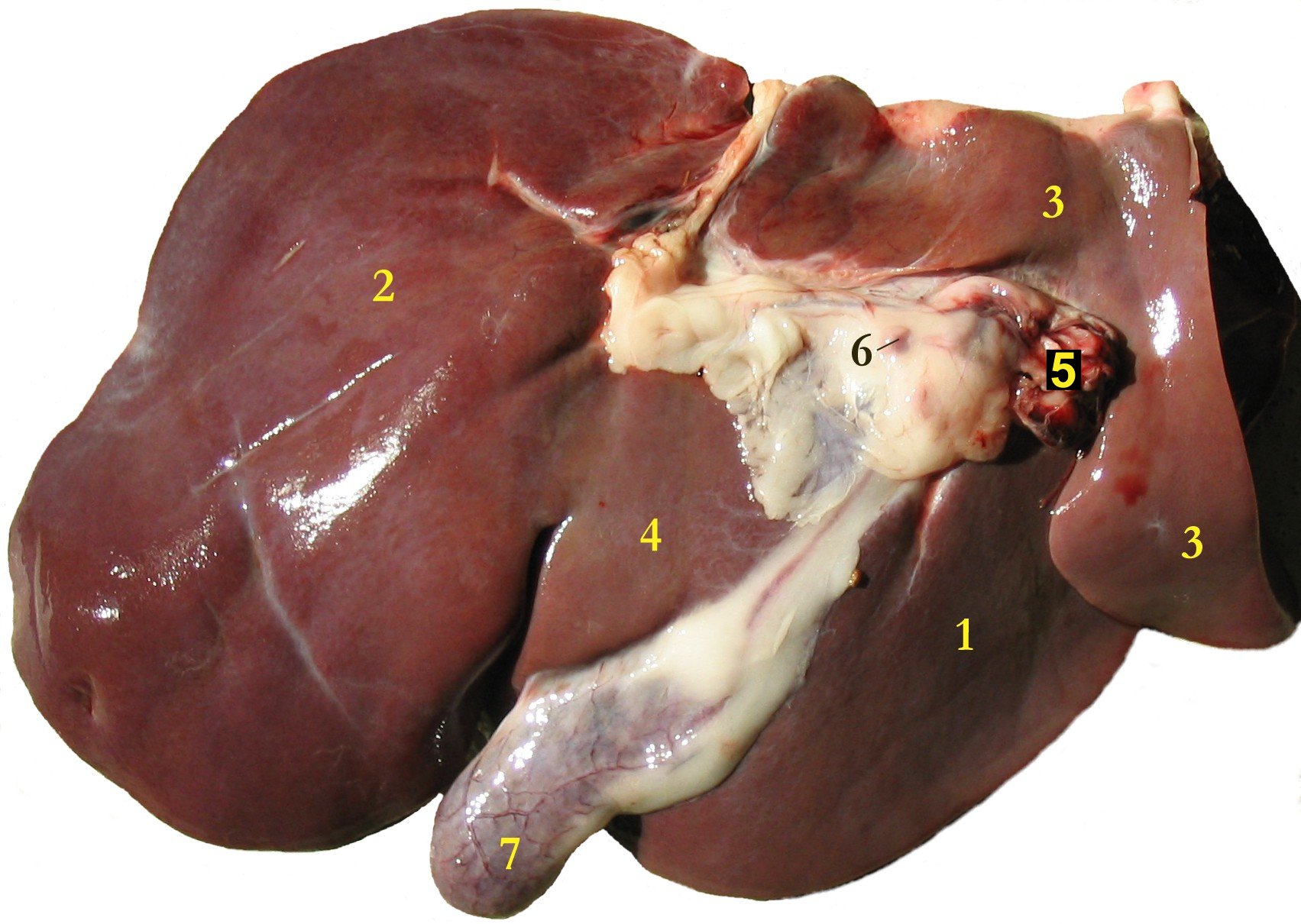
People pass a test in regenerating liver that works in animals


By Cena:People pass a test in regenerating liver that works in animals The Spanish Agency for Medicines and Health Products has authorized the biotechnology company Digna Biotech start the first clinical trial with people, Phase I, cardiotrophin-I (CT-I), a molecule that stimulates liver regeneration in animal models. The Center for Applied Medical Research (CIMA), University of Navarre has patented the molecule "for its ability to stimulate liver regeneration after partial removal in animal models, as well as protect the liver against ischemia-reperfusion injury."  It also "prevents cell death during acute liver failure," as reported in a statement CIMA, which has indicated that the first trial was held in the University Hospital of Navarra and the Hospital Universitario Puerta de Hierro in Madrid and will include 33 healthy volunteers.  CIMA has the rights to intellectual property for the use of CT-I in the treatment of certain liver diseases. Its preclinical development "has been made possible by financial support from ClaveSuan biomedical development of the Center for Industrial Technological Development (CDTI) and the Government of Navarra," added these sources. People pass a test in regenerating liver that works in animals The European Medicines Agency and the Food and Drug Administration United States have given to the CT-I protein orphan drug designation to prevent ischemia-reperfusion injury associated with solid organ transplantation. They are known as orphan who, being of interest to the health of the population, are not developed by the pharmaceutical industry due to low profitability, and that target a very small group of patients. In addition, the FDA has given the CT-I orphan drug designation for the liver transplant. Source: Forum Human HealthImage
Read More........

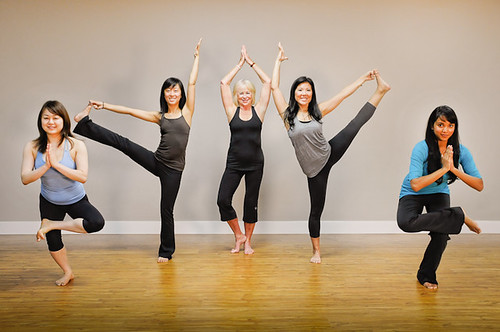
Dolphin yoga: new relaxation technique or potential danger?

Dolphin yoga: new relaxation technique or potential danger?
Intelligent, highly perceptive, and adorable – dolphins are one of the few animals that humans can sincerely say this about. The qualities that they have as a species are remarkable and their ability to pick up on new stimuli is fascinating. However, some scattered reports suggest they are, in fact, dangerous sea creatures.
By Sarah Neary, The practice of swimming with dolphins has been on the rise in recent years, but participants can’t just dive right in and mingle with the sea mammals. They are always supervised in the presence of a trainer. Since the dolphin doesn’t know the visitor in this scenario, these dolphins in captivity could retaliate out of fright. “They don’t cut your skin, they don’t draw blood, but they just give you a good strong pressure on the foot or on the leg with their teeth to let you know that they are not happy with the fact that they don’t recognize you,” said Larry Schaefer, who worked with dolphins at the Mirage for over two years as an educator and a VIP tour guide in the dolphin establishment. This type of behavior in dolphins is said to be perfectly natural. As well, more so than usual, people have good experiences in the water with these savvy swimmers. “The safety record of interactive programs offered by Alliance-accredited facilities is a phenomenal 99.99% safe because of the wonderful relationship our trainers have with the animals and their outstanding training of the dolphins,” said Marilee Menard, Executive Director of the Alliance of Marine Mammal Parks and Aquariums. The newest craze seems to be combining yoga with dolphins. Specialized places especially for dolphins and aquariums devoted to such have latched onto the opportunity of reinforcing people’s peace of mind with yoga and strengthening it with the serenity of a dolphin to add to their guided pleasure. This is all through the help of a trainer, who walks each person through the process. “Our facilities have education programs prior to interactions with dolphins to assure that the guests behave properly with the animals,” said Menard. Though, it is not known if Alliance facilities have this yoga-dolphin occurrence going on at their centers now or in the future. Dolphin enthusiasts who may not have the cash on hand for this unique encounter should be forewarned. In accordance with the Marine Mammal Protection Act of 1972, feeding or even trying to feed a dolphin is a crime in US waters. “You have to remain at least 50 feet away from wild dolphins and you’re not allowed to approach them, attempt to feed them, or swim with them. You can be caught and it’s quite a fine,” said Schaefer. Why such harsh regulations are put in place is easy to see. If people continually feed a wild dolphin, especially a young one, they may lose the ability to hunt on their own, potentially causing them to starve to death. As it has been said time and time again that dolphins are not aggressive by nature, one report raises questions. According to the NOAA Fisheries Office of Protected Resources’ website, wild dolphins bit a woman. The woman had reportedly fed them and then jumped in the water. To make matters worse, she is not the only case. Dolphins under the correct amount of supervision, whether through swimming or a yoga-related activity, may behave a lot better than those in their natural habitat. However, the facts still remain. Staying a good distance away from wild animals, including dolphins, is wise, because we never know what they may be capable of.  Source: Voice of Russia
Read More........

Is a dog your baby's new best friend?

Daniel DeNoon writes about a new study involving pets and babies for WebMD Health News. An excerpt: "Babies in homes with dogs have fewer colds, fewer ear infections, and need fewer antibiotics in their first year of life than babies raised in pet-free homes, Finnish researchers find. Homes with cats are healthier for babies, too, but not to the same extent as those with dogs, note researchers Eija Bergroth, MD, of Finland's Kuopio University Hospital, and colleagues."'The strongest effect was seen with dog contacts. We do not know why it was stronger than with cat contacts,' Bergroth tells WebMD. 'It might have something to do with dirt brought inside by the dogs, especially since the strongest protective effect was seen with children living in houses where dogs spent a lot of time outside.'... "A time-honored theory, the hygiene hypothesis, suggests that children's immune systems mature best when infants are exposed to germs in just the right amount. Too many germs are unhealthy, but so is a sterile, germ-free home. "That theory is now giving way to the 'microbiome hypothesis,' says Karen DeMuth, assistant professor of pediatrics at Atlanta's Emory University. "'The microbiome hypothesis is that early-life exposure to wide varieties of microbes lets them mix with the microbes in the gut and helps them keep the immune system from reacting against itself and causing autoimmune disease, or from reacting against stuff you should ignore and causing allergy,' she says."Source; eScienceCommons
Read More........

The Human Body is Designed to Move

The old saying is "Use it or lose it." In truth, it should be "Use it to keep it" or perhaps even ..."Use it right or lose it".  There is no one single right way to move, but if you let muscles and joints stop moving, over time the overall body loses the ability to move. If you want to move well when you are old, you must keep your body moving well as you age. Life is motion. When we stop moving, we stop living, which is why staying active is the number one desire of people as they age. When you talk to healthy people over 80, they will almost unanimously say their secret is"keeping active."  Motion is vital for health and aging well. Watch a normal child move. Youth is moving freely and with control. Watch someone who's sick move: they are stiff and consequently may be described as "looking old."  Our bodies and our muscles work best when.. they are worked, and then allowed to rest. When muscles are not rested they become tight, resulting in the chronic “tension” which plagues people who don’t move their body. Your body has a need to move. If you are typing at a computer for an hour, when you stand up your first instinct is to stretch. When people undergo surgery, they are now required to get up and move around as soon as possible (even though they don’t want
Read More........

Crippled rats walk again with help of electrical stimulation therapy

Bioedge: Crippling spinal cord injury has been one of the most powerful arguments for the pursuit of human embryo research. The late quadriplegic Christopher Reeve argued passionately that it would eventually lead to spectacular cures. That hope has faded. Geron, a biotech specialising in human embryonic stem cells, dropped its research into a spinal cure recently. Now Swiss scientists believe that a combination of electrical impulses and drugs could help some spinal trauma victims walk again. In a study published this week in Science, a research team led by Grégoire Courtine of the Federal Institute of Technology in Lausanne cut all direct nerve connections to the hind legs of ten rats without completely severing the spinal cord. After a combination of vigorous exercise, electrical stimulation in the motor area of the brain and in the spinal cord below the injury, and growth-inducing drugs, the rats recovered much of their ability to walk. “The way I think about it is that there is this little island of spare tissue in the injured area, and the neurons in that island begin to act as a relay center, bypassing the injury,” Dr. Courtine told the New York Times. He is looking forward to conducting human trials. The therapy will not help all victims of spinal cord injury. The rates had sustained a disabling injury, but their spinal cords were not completely severed. But this is the case for up to a third of all people with spinal cord trauma. Source: BioedgeImage
Read More........

Are hugs the new drugs?

Research is showing that compassion meditation -- focused, warm thoughts about yourself and others -- may have positive effects on both your mental and physical well-being. Credit: iStockphoto.com
eScienceCommons: By Carol Clark : Basic empathy is a biological given. “If you talk with a sad person, you are going to adopt a sad posture, and if you talk to a happy person, by the end you will probably be laughing,” said Emory primatologist Frans de Waal. He explained that evolution has programmed us to mirror both the physical and emotional states of others. De Waal gave the opening remarks at a conference bringing together the Dalai Lama and scientists studying effects of compassion meditation on the brain, physical health and behavior. “Empathy is biased – it’s stronger for those that are close to you than those that are distant,” De Waal said. “Nature has built in rewards for the things that we need to do,
and being pro-social is  something that we need when we live in groups.” In order to get from empathy to compassion and altruism, you need to identify others as distinct from you. While it used to be assumed that altruistic tendencies were only possible in humans, de Waal said that targeted helping of others has recently been observed among apes and elephants. Photo by Frans de Waal shows a young chimpanzee consoling an adult male that just lost a fight. Richard Davidson, a neuroscientist from the University of Wisconsin, recalled when he first began studying the effects of compassion meditation in 1992. He traveled to a Tibetan Buddhist monastery and attached electrodes to the head of an expert practitioner. The other monks began laughing. “I thought it was because he looked so funny with the electrodes,” Davidson said. But it turned out the monks were amused that he was trying to study the effects of compassion by attaching electrodes to the practitioner’s head, rather than to his heart. Years later, Davidson is finding that the monks’ view may be on target. New research shows that the heart rates of expert practitioners beat more quickly while they are meditating than the hearts of novices. “We believe
that compassion meditation is facilitating communication between the heart and the mind,” Davidson said. Psychologist Barbara Fredrickson at the University of North Carolina-Chapel Hill cited her research into the effects of “love and kindness meditation,” or LKM, on the vagus nerve. The nerve, which extends from the brain stem to the heart, helps regulate emotions and bodily systems. The effectiveness of the vagus nerve is measured by its tone, or fitness. The higher the vagal tone, the better the vagus nerve performs as a regulatory pathway. “With just six weeks of LKM training in novices, we see improvements in resting vagal tone,” Fredrickson said. “Just like physical exercise improves muscle tone, emotion training improves vagal tone.” High vagal tone is related to both a person’s physical health and their ability to feel loving connections with others, Fredrickson said. “In a way, our bodies are designed for love, because the more we love, the more healthy we become.” Emory researchers Charles Raison and Geshe Lobsang Tenzin Negi described their ongoing research into the effects of compassion meditation and depression. Negi developed a secular form of meditation for the research, based on the Tibetan Buddhist practice called “lojong.” Lojong uses an analytical approach to challenge a person’s thoughts
and emotions toward other  people, with the long-term goal of developing altruistic behavior. The pair collaborated on a 2005 study that showed that college students who regularly practice compassion meditation had a significant reduction in stress and physical responses to stress. They recently launched the Compassion and Attention Longitudinal Meditation Study (CALM), to explore the physical effects of different forms of meditation. “We’re trying to zero in on what is it about meditation that is useful for people’s health,” Raison said. Emory researchers are also getting positive preliminary results in compassion meditation studies involving schoolchildren ages six to eight and adolescents in the foster care system. “This seems like the dawning of a new day,” the Dalai Lama said. “We’ve heard about the benefits, and now we need to act to cultivate compassion from kindergarten to universities.” Source: eScienceCommons
Read More........