Japanese researchers successfully regenerate bone using stem cells


IANS Photo

New Delhi, (IANS): A team of researchers from Japan has successfully treated spinal fractures in animal models using stem cells from fatty tissue.

The team from the Osaka Metropolitan University used stem cells extracted from adipose -- the body’s fatty tissue -- to treat spine fractures in rats similar to those caused by osteoporosis in humans.

These cells offer the advantages of being easy to collect, even from elderly individuals, and causing little stress to the body, suggesting a non-invasive way of treating bone diseases.

Bone regeneration and strength were significantly improved in rats transplanted with the adipose tissue (ADSCs).

The genes involved in bone formation and regeneration were also activated. The study was published in Bone and Joint Research.

“This study has revealed the potential of bone differentiation spheroids using ADSCs for the development of new treatments for spinal fractures,” said Yuta Sawada, a student at the varsity's Graduate School of Medicine.

“Since the cells are obtained from fat, there is little burden on the body, ensuring patient safety. This simple and effective method can treat even difficult fractures and may accelerate healing,” added Dr. Shinji Takahashi.

Osteoporosis is a disease that causes bones to become brittle and prone to fractures. Among osteoporosis-related fractures, compression fractures of the spine -- known as osteoporotic vertebral fractures -- are the most common type of fracture and pose a serious problem, leading to a need for long-term care and a significant decline in quality of life.

The team used stem cells, which are multipotent, meaning that they can be differentiated into many different cell types.

They developed ADSCs into bone-differentiated spheroids -- three-dimensional spherical clusters -- and combined it with beta-tricalcium phosphate, a material widely used for bone reconstruction, to successfully treat rats with spinal fractures.“This technique is expected to become a new treatment that helps extend the healthy life of patients,” Takahashi said. Japanese researchers successfully regenerate bone using stem cells | MorungExpress | morungexpress.com
Read More........

Japan, Korea develop prototype nuclear batteries

The uranium battery concept (Image: JAEA)

The Japan Atomic Energy Agency has developed what it says is the world's first "uranium rechargeable battery" and that tests have verified its performance in charging and discharging. Meanwhile, South Korean researchers have developed a prototype betavoltaic battery powered by the carbon-14 isotope.

The uranium storage battery utilises depleted uranium (DU) as the negative electrode active material and iron as the positive one, the Japan Atomic Energy Agency (JAEA) said. The single-cell voltage of the prototype uranium rechargeable battery is 1.3 volts, which is close to that of a common alkaline battery (1.5 volts).

The battery was charged and discharged 10 times, and the performance of the battery was almost unchanged, indicating relatively stable cycling characteristics.

"To utilise DU as a new resource, the concept of rechargeable batteries using uranium as an active material was proposed in the early 2000s," JAEA noted. "However, no studies were reporting the specific performance of the assembled uranium rechargeable batteries."

It added: "If uranium rechargeable batteries are increased in capacity and put to practical use, the large amount of DU stored in Japan will become a new resource for output controls in the electricity supply grid derived from renewable energy, thereby contributing to the realisation of a decarbonised society."

According to JAEA, there is currently about 16,000 tonnes of depleted uranium stored in Japan and some 1.6 million tonnes stored worldwide.

JAEA said it is now aiming to increase the capacity of uranium storage batteries (the amount of electricity they can store) by circulating the electrolyte.

"Specifically, we will be examining whether it is possible to increase capacity by increasing the amount of circulating electrolyte and the concentration of uranium and iron, and what the optimal materials are for the electrodes and membranes that make up the storage battery," JAEA said. "If we are successful in increasing the capacity of uranium storage batteries and put them to practical use and implemented in society using depleted uranium stored in Japan, we can expect them to play new roles such as adjusting supply and demand for mega solar power plants."

It says the need for rechargeable batteries has been increasing in recent years with an increase in the introduction of renewable energy sources. Power generation from solar, wind, and other sources is affected by weather conditions and has the instability of fluctuating power generation. To stabilise the power supply in this situation, output controls via energy storage devices such as rechargeable batteries are necessary, and the development of new energy storage technologies is attracting attention.
Batteries to last a lifetime

South Korean researchers are considering radiocarbon as a source for safe, small and affordable nuclear batteries that could last decades or longer without charging.

Su-Il In, a professor at Daegu Gyeongbuk Institute of Science & Technology, will present his results at the spring meeting of the American Chemical Society, being held 23-27 March. The research was funded by the National Research Foundation of Korea, as well as the Daegu Gyeongbuk Institute of Science & Technology Research & Development Programme of the Ministry of Science and Information and Communication Technology of Korea.

With the increasing number of connected devices, data centres and other computing technologies, the demand for long-lasting batteries is increasing. However, In says that the performance of lithium-ion (Li-ion) batteries is "almost saturated". His team is therefore developing nuclear batteries as an alternative to lithium.

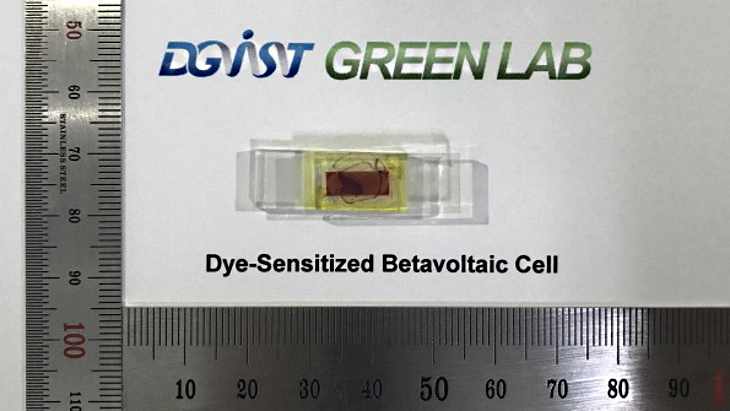
The researchers have produced a prototype betavoltaic battery with carbon-14, an unstable and radioactive form of carbon, called radiocarbon. "I decided to use a radioactive isotope of carbon because it generates only beta rays," said In. Moreover, a by-product from nuclear power plants, radiocarbon is inexpensive, readily available and easy to recycle. And because radiocarbon degrades very slowly, a radiocarbon-powered battery could theoretically last for millennia.

(Image: Daegu Gyeongbuk Institute of Science & Technology)

To significantly improve the energy conversion efficiency of their new design, the team used a titanium dioxide-based semiconductor, a material commonly used in solar cells, sensitised with a ruthenium-based dye. They strengthened the bond between the titanium dioxide and the dye with a citric acid treatment. When beta rays from radiocarbon collide with the treated ruthenium-based dye, a cascade of electron transfer reactions, called an electron avalanche, occurs. Then the avalanche travels through the dye and the titanium dioxide effectively collects the generated electrons.

The new battery also has radiocarbon in the dye-sensitised anode and a cathode. By treating both electrodes with the radioactive isotope, the researchers increased the amount of beta rays generated and reduced distance-related beta-radiation energy loss between the two structures.

During demonstrations of the prototype battery, the researchers found that beta rays released from radiocarbon on both electrodes triggered the ruthenium-based dye on the anode to generate an electron avalanche that was collected by the titanium dioxide layer and passed through an external circuit resulting in usable electricity.

These long-lasting nuclear batteries could enable many applications, says In. These include powering implants, remote applications, and satellites. For example, a pacemaker would last a person's lifetime, eliminating the need for surgical replacements.However, this betavoltaic design converted only a tiny fraction of radioactive decay into electric energy, leading to lower performance compared to conventional Li-ion batteries. In suggests that further efforts to optimise the shape of the beta-ray emitter and develop more efficient beta-ray absorbers could enhance the battery's performance and increase power generation. Japan, Korea develop prototype nuclear batteries
Read More........

Scientists in Japan Develop Non-Toxic Plastic That Dissolves in Seawater Within Hours


Japanese scientists were thrilled to receive significant interest from the packaging industry over their new seawater-degradable plastic.

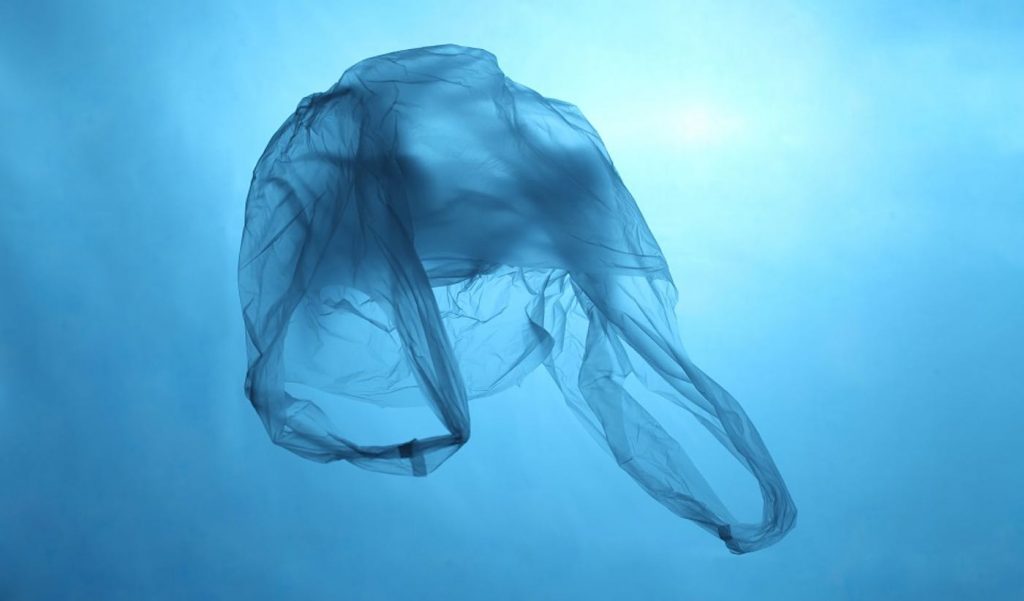
Breaking apart into nutritious compounds for ocean-borne bacteria in just 2 to 3 hours depending on the size and thickness, the invention could be a major solution to reducing plastic waste in the environment.

GNN has previously reported that the amount of plastic waste in the ocean is currently overestimated by 3,000%, making the remaining total a much-more addressable challenge.

To that end, researchers at a lab in Wako city near Tokyo used two ionic monomers to form a salt bond for the basis of the polymer plastic. Despite being strong and flexible like normal petroleum-based plastics, the material is highly vulnerable to salt and immersion in salty ocean water dissolves the plastic in short order.

Researchers from the RIKEN Center for Emergent Matter Science and the University of Tokyo who developed the plastic don’t have any detailed plans for commercialization, but they have been contacted by members of the packaging industry with significant interest.

The plastic is non-toxic, non-flammable, and doesn’t emit CO2. It won’t leach chemicals and microplastics into one’s body as is the case with normal plastic water bottles, packaging, take-away containers, and so on.

Additionally, because there are small amounts of sodium in most of the world’s soils, the plastic will break down in a matter of weeks if buried.“Children cannot choose the planet they will live on. It is our duty as scientists to ensure that we leave them with best possible environment,” said the research team leader Takuzo Aida. Scientists in Japan Develop Non-Toxic Plastic That Dissolves in Seawater Within Hours
Read More........

Japan to Begin Clinical Trials for Artificial Blood This Year

credit – Adrian Sulyok on Unsplash

Japan is the first country to begin clinical trials of artificial blood, a medical innovation which if proven successful, would solve one of the largest hospital challenges of our age.

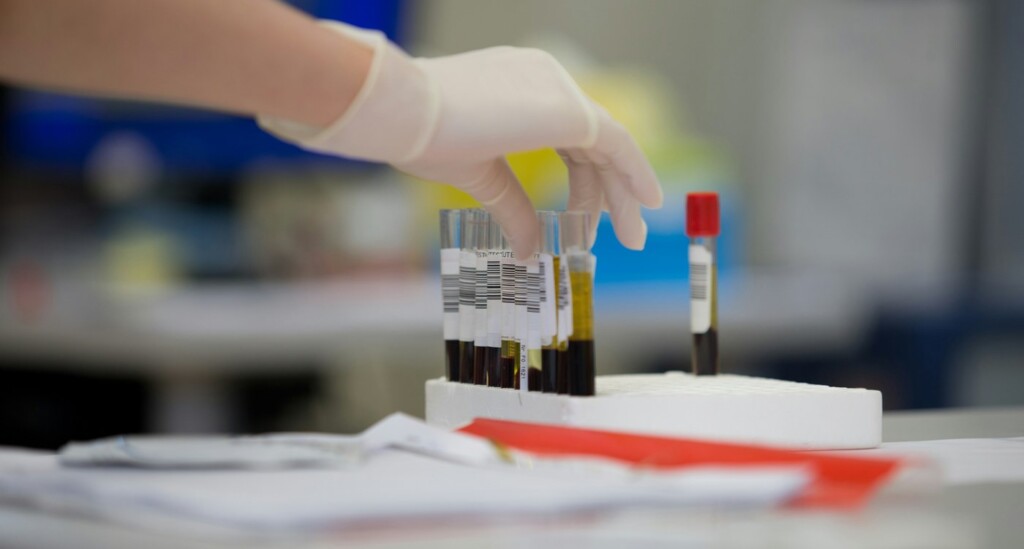
Beginning back in March, a clinical trial organized by Nara Medical University will look to build on the success of an early-stage trial in 2022 of hemoglobin vesicles, small artificial blood cells that were confirmed to be safe and capable of delivering oxygen as normal.

The trial will administer 100 to 400 milliliters of the artificial blood cells to further test safety before moving onto broader performance and efficacy targets, all in the hopes that by 2030, the artificial blood could enter clinical use.

Whether high-income or low-income, every country has challenges meeting the necessity necessary amounts of stockpiled blood donations for emergency medical procedures.

In high-income countries where the 90% of blood stockpiles comes from voluntary donors, the challenge is getting enough of these donations, and crucially, enough from those with rare blood types.


In low-income countries where only 40% of needs are met with donations, the challenge lies in importation from abroad when donated blood packs are only safe for use for a few months. A useful proxy to understanding this shortfall is that of 175 countries included in a survey of blood donation and use practices by the World Health Organization, 106 countries report that all blood plasma-derived products are imported. These include things like immunoglobulins and coagulation factors which are needed to prevent and treat a variety of serious conditions.

Japan has a different challenge. The WHO found that the use of donated blood varied with income levels, reporting that high-income countries used more blood donations to treat those aged 65 and older, while lower-income countries used it to treat those aged 5 and under.

Japan has recognized that its long-since-collapsed replacement birth rate coupled with long life-expectancy will place a likely unsustainable burden of blood donation on a shrinking working-age population, making artificial blood a priority innovation.

Professor Hiromi Sakai at Nara Medical University has pioneered one method for its synthesis. Using hemoglobin—the oxygen carrying molecule inside red blood cells—from expired donations and encasing them in protective shells, removing the need of matching blood type for administration.

Another method comes from Chuo University where the hemoglobin is encased in an albumin-family protein, which has been used in animal studies to stabilize blood pressure and treat conditions like hemorrhage and stroke.Either way, the necessity is there and it’s urgent for Japan and the world. If the country’s researchers succeed in this innovation, it will be a medical milestone of epic proportions. Japan to Begin Clinical Trials for Artificial Blood This Year
Read More........

Japan starts discharging treated water into the sea : Regulation & Safety

The process for releasing the ALPS-treated water (Image: Tepco)
Tokyo Electric Power Company (Tepco) announced it has begun releasing treated water currently stored at the damaged Fukushima Daiichi nuclear power plant into the ocean. The operation - expected to take up to 30 years to complete - is being closely monitored by the International Atomic Energy Agency (IAEA).

At the Fukushima Daiichi site, contaminated water - in part used to cool melted nuclear fuel - is treated by the Advanced Liquid Processing System (ALPS), which removes most of the radioactive contamination, with the exception of tritium. This treated water is currently stored in more than 1000 tanks on site. The total tank storage capacity amounts to about 1.37 million cubic metres and all the tanks are expected to reach full capacity in late 2023 or early 2024.

Japan announced in April 2021 it planned to discharge treated water stored at the site into the sea over a period of about 30 years.

On 22 August, the government announced that it had decided to request Tepco begin preparations for the release of ALPS-treated water into the sea.

On the same day, the company transferred a very small amount of ALPS-treated water - about 1 cubic metre - to the dilution facility using the transfer facilities. This water was then diluted with about 1200 cubic metres of seawater and allowed to flow into the discharge vertical shaft (upstream water tank). The water stored in the discharge vertical shaft was then sampled.

"The results showed that the analysis value is approximately equal to the calculated concentration and below 1500 becquerels per litre," Tepco said today. "The sample of the water was also analysed by the Japan Atomic Energy Agency, who confirmed that the analysis value is below 1500 Bq/litre." In comparison, the World Health Organization guideline for drinking water is 10,000 Bq/litre.

Tepco therefore announced it has now moved to the second stage of the water release, the continuous discharge into the sea. At the same time, the company began transmitting data from various points in the process to the IAEA.

"Today at 1.00pm, the seawater transfer pumps will be started up and we will commence the discharge," Tepco said ahead of the process beginning. "During the discharge, one tank group-worth of ALPS-treated water from the measurement/confirmation facility, and the water already stored in the discharge vertical shaft (upper-stream storage) during Stage 1, will be continuously transferred/diluted and discharged into the sea.

"Furthermore, today, the intake/vertical shaft monitors will be put into operation in preparation for the discharge into the sea. We also started uploading real-time data pertaining to the discharge of ALPS-treated water into the sea to our website."
IAEA monitoring

When Japan announced the discharge plan in 2021, it asked the IAEA to review its plans against IAEA safety standards and monitor the release. Neighbouring countries have raised concerns and opposed the planned discharge. An IAEA Task Force was established to implement the assistance to Japan, which included advice from a group of internationally recognised experts from Member States, including members from the region, under the authority of the IAEA Secretariat. The IAEA opened an office at the Fukushima Daiichi plant last month.

"IAEA experts are there on the ground to serve as the eyes of the international community and ensure that the discharge is being carried out as planned consistent with IAEA safety standards," said IAEA Director General Rafael Mariano Grossi. "Through our presence, we contribute to generating the necessary confidence that the process is carried out in a safe and transparent way."

The agency, which confirmed that the discharge had begun, noted: "The IAEA's independent on-site analysis confirmed that the tritium concentration in the diluted water that is being discharged is far below the operational limit of 1500 becquerels per litre."

The IAEA said it will have a presence on site for as long as the treated water is released. It also announced the launch of a webpage to provide live data from Japan on the water discharge, including water flow rates, radiation monitoring data and the concentration of tritium after dilution.

The IAEA experts will observe onsite activities related to the ALPS-treated water discharge, including samples and measurements, and will interface with Tepco and officials from Japan's Nuclear Regulation Authority. The IAEA will also organise review missions periodically to observe activities on site and to request updates and additional data from Japanese authorities. The IAEA said its independent corroboration activities will also continue during the entirety of the discharge and will involve IAEA laboratories and third-party laboratories.

"All of these activities will work together to provide a comprehensive picture of the activities taking place at the Fukushima Daiichi nuclear power plant related to the ALPS-treated water discharge and whether these activities are consistent with relevant international safety standards," said Gustavo Caruso, Director and Coordinator for the ALPS Safety Review at the IAEA and Chair of the Task Force. "The data provided by Tepco, and displayed both by Tepco and IAEA, is just a single piece of the overall monitoring approach and the IAEA's ongoing safety review."Researched and written by World Nuclear News  Source: World Nuclear News
Read More........